Buying an Older Home in Belmont-Hillsboro: Key Checks
April 2, 2026
April 2, 2026
Dreaming about a Belmont-Hillsboro home with a deep front porch, original details, and real neighborhood character? Buying an older home here can be incredibly rewarding, but it also comes with a different set of questions than buying newer construction. If you want charm without surprises, it helps to understand the area’s housing stock, renovation rules, and inspection priorities before you write an offer. Let’s dive in.
Belmont-Hillsboro is one of Nashville’s classic early-20th-century neighborhoods, shaped by subdivision activity in the 1890s and later growth tied to a 1901 streetcar line along Belmont Boulevard. According to the official Belmont-Hillsboro design guidelines, most of the neighborhood’s concentrated construction happened between about 1905 and 1920, with additional development through the 1920s and some southern sections around 1940.
That history matters because it sets expectations. In Belmont-Hillsboro, you are usually buying a home with early-20th-century character, not a modern suburban layout. You should also expect that many homes have seen updates, additions, or altered floor plans over time.
A large part of Belmont-Hillsboro is listed in the National Register of Historic Places, and the neighborhood includes a broad mix of architectural styles. The National Register nomination materials and local guidelines point to several common types.
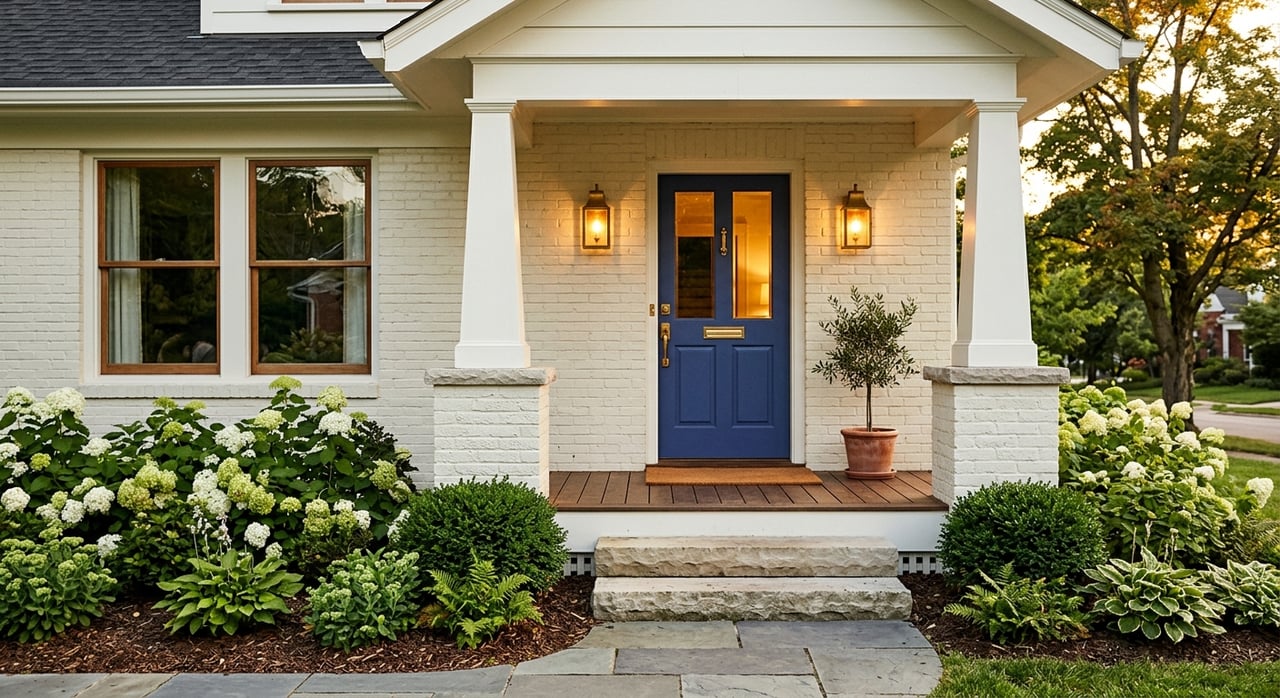
Bungalows are the most common house type in the district. These homes are often one to one-and-a-half stories, with usable space tucked under the roof and a prominent front porch.
Exterior materials vary widely and may include brick, frame, stone, stucco, shingle, or clapboard. If you are drawn to a cozy footprint and strong curb appeal, this is one of the signature Belmont-Hillsboro styles.
American foursquares are typically square in plan, with hipped roofs and balanced front elevations. Many feature a centered entry and a more formal room arrangement than a bungalow.
For buyers, that often means more defined spaces rather than an open-concept layout. Some buyers love that traditional flow, while others may see remodeling potential.
You will also find Craftsman-style homes with gabled roofs and grouped windows, along with Tudor Revival, Dutch Colonial, Colonial, and Georgian influences. There are also duplexes and apartments in the district that generally match the surrounding scale.
The practical takeaway is simple: older homes here are varied, but they usually share a compact, traditional feel rooted in early-20th-century design.
If you are moving from a newer home, one of the biggest adjustments may be the floor plan. Based on the historic housing types found in the district, Belmont-Hillsboro homes often feel more compartmentalized than newer builds.
That does not mean they are less functional. It simply means you may see separate living and dining rooms, more defined entries, and additions that connect older spaces to newer kitchens, baths, or bonus areas.
One of the most important things to understand is that many older homes in Belmont-Hillsboro have changed over time. The neighborhood experienced postwar decline, rental conversions, and later renovation activity, so some homes may include mixed-era systems, patched additions, or reworked layouts even if the exterior still reads as historic.
That is why documentation matters so much. A beautiful exterior does not always tell you when the wiring was updated, whether an addition was permitted, or how much of the original floor plan remains.
A strong inspection process is essential when you are buying an older home in Belmont-Hillsboro. The goal is not to find a perfect house. It is to understand condition, future costs, and whether past work was done properly.
Pay close attention to the roof, porches, gutters, drainage, and foundation. In older homes, these elements often tell you the most about ongoing maintenance.
Ask your inspector to look for sagging or rotting porch elements, signs of settlement, patched masonry, failed flashing, and moisture entry around chimneys, windows, and additions. Historic homes can perform well, but deferred exterior maintenance can become expensive quickly.
Windows are often a major decision point in an older home. Belmont-Hillsboro’s local guidance says historic windows should be repaired rather than replaced whenever possible, and the National Park Service weatherization guidance notes that historic windows can often be improved through caulking, weatherstripping, glazing repair, and storm windows.
If a home still has original wood windows, ask whether they are functional, weather-tight, and repairable. In many cases, repair may be both a practical and neighborhood-compatible path.
Older homes can also carry added due diligence around environmental and mechanical concerns. The EPA notes that homes built before 1978 are more likely to contain lead-based paint, and older homes and cities built before 1986 are more likely to have lead pipes.
The research also notes that damaged asbestos-containing materials can create health risks. These are not automatic deal-breakers, but they are good reasons to ask better questions and budget for appropriate testing and safe renovation practices.
Before you buy, make sure you understand Belmont-Hillsboro’s zoning and review framework. The neighborhood is a Neighborhood Conservation Zoning Overlay, which affects certain exterior changes.
That means additions, demolition, relocation, and some exterior work may be subject to review, while property use is still governed by the base zoning. If you are considering a project after closing, this is something to verify early, not later.
Before closing, confirm the property’s status through Metro Nashville’s parcel and historic zoning tools referenced by the city’s historic zoning information. This step helps you understand whether the home falls within the overlay and what that may mean for future exterior plans.
It is especially important if you are buying with the intention to expand, rework a porch, alter windows, or change the roofline.
The local design guidelines apply to exteriors visible from public rights-of-way and streets. They also note that alleys are not treated as public rights-of-way for neighborhood conservation review, which can affect how some rear-lot work is evaluated.
If you are considering a larger project, Metro encourages pre-application review for certain additions, infill, and unusual requests. The process may require drawings, elevations, site plans, and a complete application package.
When you are under contract on an older Belmont-Hillsboro home, a few specific questions can save you time and money.
Ask the seller for records of exterior changes, additions, roof work, chimney repairs, porch changes, and window or facade alterations. According to Metro’s inspection information, work done without a preservation permit, or contrary to an issued permit, can be a violation.
Even if a home looks well-updated, permit history helps you confirm that improvements were done through the proper channels.
Because the neighborhood’s history includes postwar divisions of single-family homes into rental units, ask whether the current layout is original or altered. You should also ask whether attic, basement, or rear-space finish-outs were permitted.
This matters for both livability and future resale. A home with a well-documented layout change is usually easier to evaluate than one with unclear alterations.
If utility performance matters to you, ask whether the home has had an energy audit, attic insulation updates, air sealing, or storm window installation. The National Park Service recommends starting with less destructive efficiency steps like reducing air infiltration and improving insulation before making major changes.
That approach often fits older homes better than jumping straight to full material replacement.
If you are buying with plans to renovate, Belmont-Hillsboro rewards a careful approach. The local guidelines prioritize repair over replacement and call for new work to stay compatible with the home’s massing, roof pitch, and street-facing proportions.
That means front porch enclosure is generally not appropriate, while side porch enclosure may be acceptable only in limited cases if the original form stays visible. Rear or side additions are typically expected to remain subordinate and set back from the original structure.
If you love historic character, established streetscapes, and homes with architectural personality, Belmont-Hillsboro can be a great fit. The key is to buy with open eyes and a plan.
The strongest purchase is often the one that balances charm with documentation: clear permit history, realistic maintenance expectations, and renovation goals that align with the home’s original design. If you want guidance that is organized, practical, and tailored to Belmont-Hillsboro, Bill Diebenow can help you evaluate opportunities and move forward with confidence.
Tennessee real estate tips and insights.
June 25, 2026
July 23, 2026
July 2, 2026
July 16, 2026
May 21, 2026
July 9, 2026
Bill's real estate experience spans residential and commercial transactions as an agent, buyer, seller, investor, tenant, landlord, and cross-county corporate relocation. Bill looks forward to understanding your needs, building your trust, and helping you successfully sell your existing home, find your new home, or add to your real estate portfolio.
Bill Diebenow
3990 Hillsboro Pike Suite 320 Nashville TN 37215