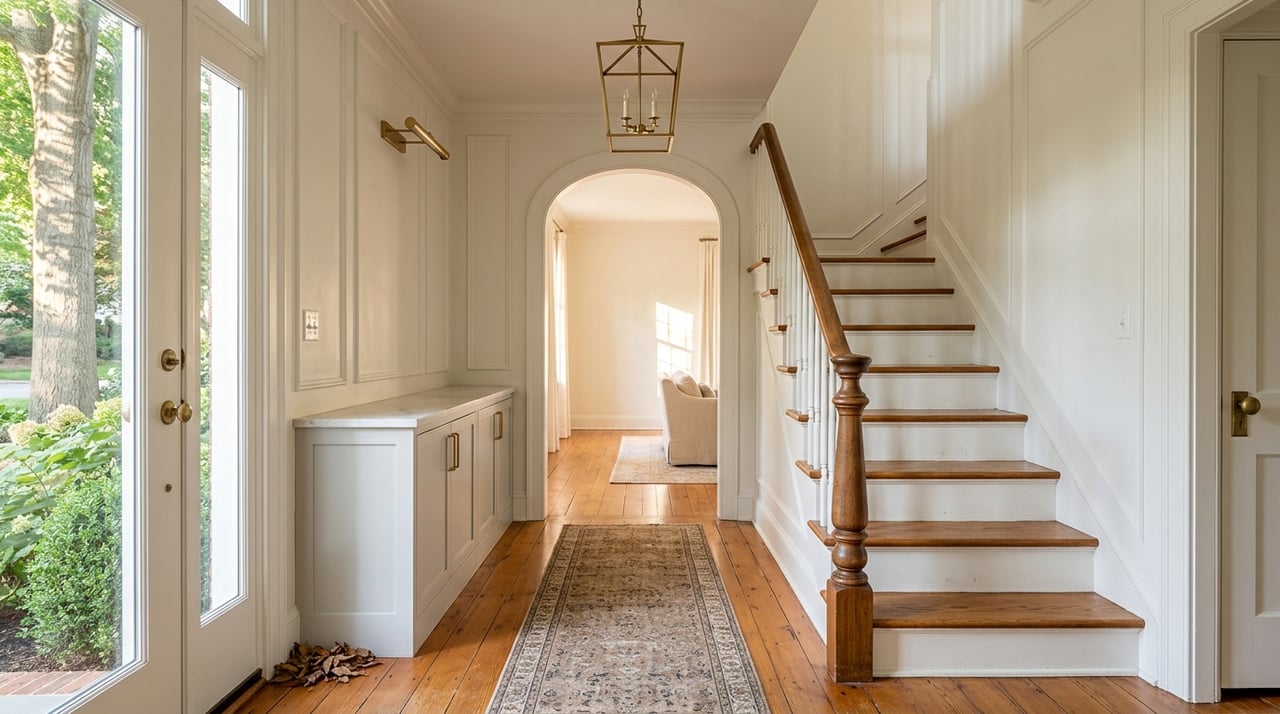
Franklin New Construction vs Historic Homes: What Fits?
April 23, 2026
April 23, 2026
Trying to choose between new construction and a historic Franklin home? In Franklin, that decision is more than a style preference. It often comes down to how you want to live, how much maintenance you want to take on, and how comfortable you are with timelines, updates, and neighborhood context. If you are weighing both options, this guide will help you compare the tradeoffs clearly and confidently. Let’s dive in.
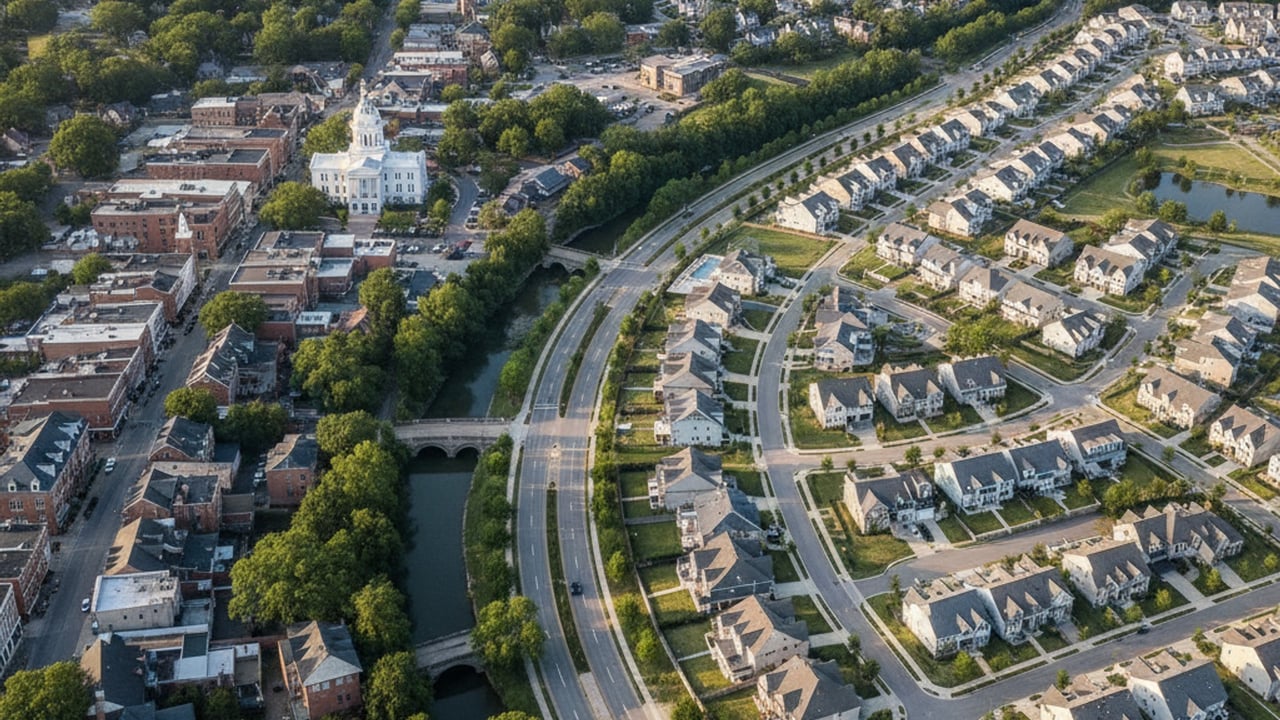
Franklin stands out because preservation and growth exist side by side. The city describes downtown Franklin as a 15-block historic district, while its planning documents also point to major growth areas like Westhaven, Berry Farms, Gateway Village, Goose Creek east of I-65, and West Harpeth.
That mix gives you real choices. You can look for a home in an established historic setting near downtown, or you can focus on newer planned communities where housing, sidewalks, and commercial spaces are being built together. In a market the city describes as a seller's market, understanding those differences matters.
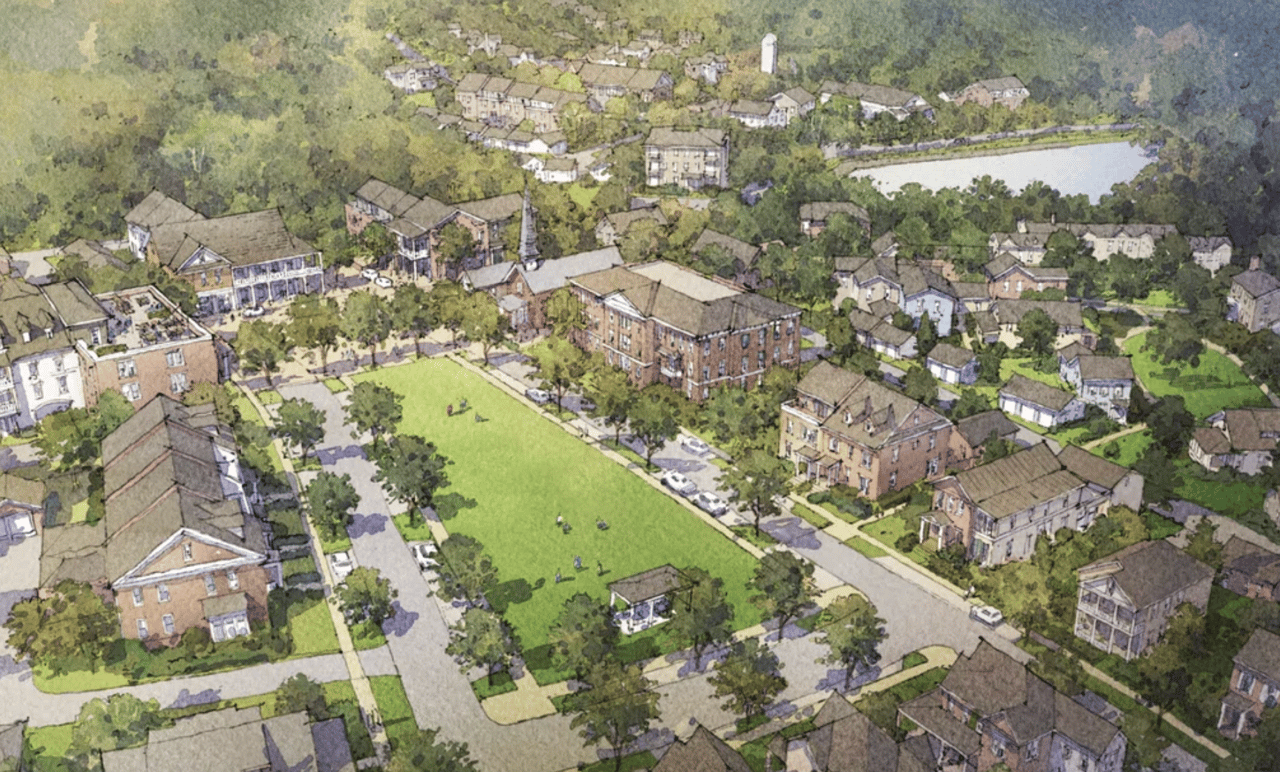
In Franklin, most new construction is not in the historic core. It is more commonly found in planned and mixed-use districts such as Westhaven, Berry Farms, Gateway Village, and Goose Creek east of I-65, along with the larger West Harpeth growth area.
The city identifies West Harpeth as one of its primary focus areas for new residential development. It also notes that Westhaven is the largest residential subdivision in that area and is planned to include nearly 3,000 residential units plus commercial and office uses when complete.
That is helpful context if you picture new construction as mostly detached homes on isolated streets. Franklin's approved pipeline in 2022 was 16% single-family homes, 27% townhomes or condominiums, and 54% apartments, so newer housing options may include more variety than many buyers expect.
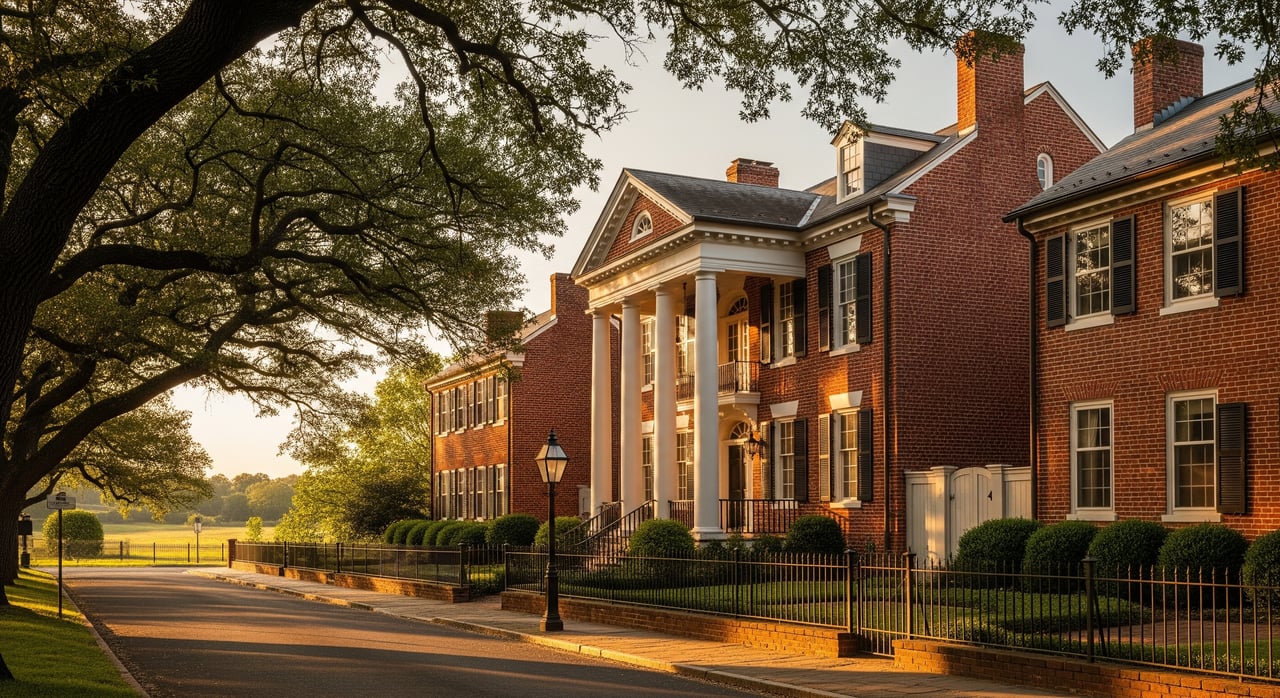
Older and historic homes are generally concentrated around downtown Franklin and nearby established neighborhoods. The city highlights downtown as a historic district with Victorian architecture, renovated buildings, shops, restaurants, and services, which makes it especially appealing if you want a setting with identity already in place.
Franklin's preservation materials and design guidelines also reference historic districts and established areas such as Hincheyville, Lewisburg Avenue, Adams Street, Natchez Street, Boyd Mill Avenue, Everbright Avenue, and Franklin Road. These areas tend to offer a more settled streetscape and a stronger connection to the city's historic character.
For many buyers, the biggest benefit of new construction is predictability. According to Fannie Mae's maintenance guidance, newer homes tend to have lower average maintenance costs, with a rough budgeting rule of about 1% of home value per year for a new home.
That does not mean repairs never happen. It does mean you may face fewer near-term surprises with systems, finishes, and major components in the first few years compared with an older property.
New construction can also offer more flexibility before the home is complete. The exact level of customization depends on the builder, but CFPB guidance on not-yet-built homes makes clear that the process differs from buying a completed resale home and often involves builder-specific steps and deposits.
Another draw is the community design around newer developments. Franklin's planning documents emphasize pedestrian-scale design, connected block layouts, and mixed-use environments in growth areas. If you like the idea of newer infrastructure and a neighborhood built with connectivity in mind, that can be a meaningful advantage.
Historic and older homes appeal to buyers for a different set of reasons. In Franklin, one of the biggest is character. The city's preservation program highlights neighborhoods from the late 19th and early-to-mid 20th centuries, which gives many older homes a sense of place that is hard to replicate in newer construction.
Location is another major factor. If you want to be close to downtown Franklin and its established streets, older housing stock often puts you in the middle of that environment. For some buyers, that setting is worth the added upkeep.
There is also a scarcity factor. Franklin has multiple historic districts and a strong preservation framework, so homes in those areas often carry long-term appeal because there is a limited supply of them. While every property is different, that historic identity is part of what keeps these homes in demand.
If you are deciding based on lifestyle, maintenance may be the clearest dividing line. Fannie Mae says a home more than 30 years old may need maintenance closer to 4% of home value per year, compared with around 1% for a newer home.
That does not mean every older Franklin home is costly to maintain. It does mean you should go in with a realistic repair reserve, a strong inspection strategy, and room in your budget for updates over time.
For buyers who want fewer moving parts right after closing, new construction may feel more manageable. For buyers who value character and location more than a lighter maintenance load, an older home can still be the right fit.
One of the most important Franklin-specific details is that not all historic homes are regulated the same way. This is where many buyers get confused.
Franklin's design guidelines explain that National Register listing alone does not restrict private property use. Local historic districts, however, are different. If a property is within the Historic Preservation Overlay, certain exterior changes may require review under local design guidelines.
The city's Historic Zoning Commission reviews demolitions and exterior changes in material or design, and qualifying work may require a Certificate of Appropriateness. If you are thinking about additions, exterior material changes, or alterations to street-facing features, this process should be part of your decision.
New construction may be lower maintenance, but it is not always simpler. If the home is not yet built, CFPB notes that buyers may be asked for a builder deposit or earnest money, and the purchase timeline can look very different from a resale transaction.
That means cash-flow planning matters. So does flexibility, especially if construction timing shifts.
There is also the neighborhood context to consider. Franklin's planning documents suggest many growth-area communities are still evolving alongside new infrastructure and transportation improvements. You may get a modern house product, but the broader area may still be taking shape.
| Factor | New Construction | Historic or Older Home |
|---|---|---|
| Maintenance | Generally lower in early years | Usually higher reserve needed |
| Timeline | May involve construction timing | Often faster if already complete |
| Customization | May allow selections before completion | More limited by existing layout and systems |
| Neighborhood feel | Often newer and still maturing | More established and settled |
| Location pattern | Common in growth areas like Westhaven and Berry Farms | Common near downtown and historic districts |
| Exterior changes | Builder and community rules vary | Local historic review may apply in overlay districts |
The right choice usually comes down to what you want your daily ownership experience to feel like. If you want a more predictable maintenance profile, a newer home may line up better with your budget and schedule.
If you care most about character, central location, and a neighborhood that already feels established, an older or historic home may be the better match. You just need to be ready for more upkeep and, in some cases, more approval steps for future exterior changes.
A few questions can help you narrow it down:
In Franklin, both paths can make sense. The key is matching the home type to your priorities, not just the listing photos.
If you want help comparing neighborhoods, understanding the buying process, or weighing a new build against an older Franklin property, Bill Diebenow can help you evaluate the options with a clear, practical plan.
Tennessee real estate tips and insights.
Real Estate
Bill Diebenow | September 1, 2026

Economy
Bill Diebenow | August 28, 2026
Real Estate
Bill Diebenow | August 13, 2026
February 5, 2026

Retail
Bill Diebenow | September 11, 2026

Retail
Bill Diebenow | September 8, 2026
Bill's real estate experience spans residential and commercial transactions as an agent, buyer, seller, investor, tenant, landlord, and cross-county corporate relocation. Bill looks forward to understanding your needs, building your trust, and helping you successfully sell your existing home, find your new home, or add to your real estate portfolio.
Bill Diebenow
3990 Hillsboro Pike Suite 320 Nashville TN 37215