Your Middle Tennessee Relocation Guide to Nashville & Suburbs
April 16, 2026
April 16, 2026
Thinking about a move to Middle Tennessee, but not sure whether Nashville, Franklin, or Brentwood fits your day-to-day life best? That question is common, especially if you are balancing commute time, housing style, neighborhood feel, and the logistics of a major relocation. This guide gives you a practical look at Nashville and its southern suburbs so you can compare your options with more confidence. Let’s dive in.
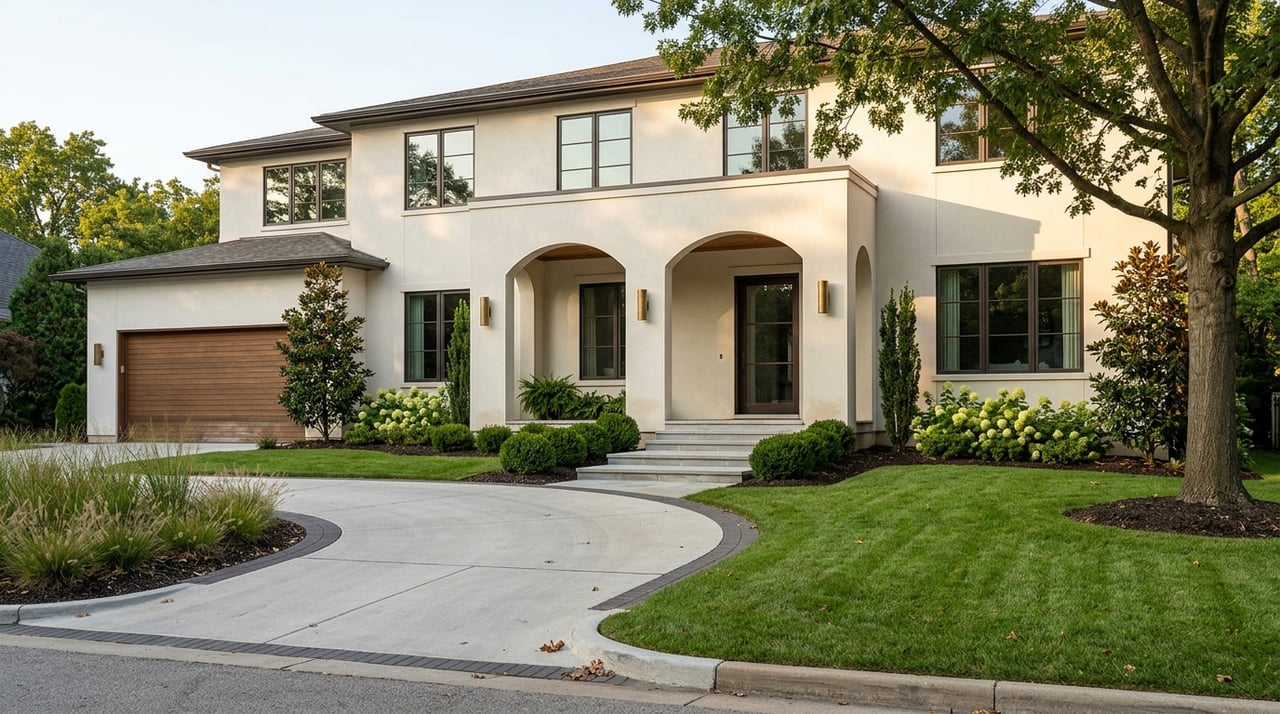
If you are relocating to the region, it helps to think of Nashville as the urban hub, Franklin as the historic suburban alternative, and Brentwood as the more residential, higher-priced suburban option. That framework lines up with local housing patterns, commute corridors, and official demographic data.
According to the U.S. Census QuickFacts, Davidson County had an estimated 729,505 residents in 2024, a median household income of $77,853, and a median owner-occupied home value of $417,400. Franklin reported 89,142 residents, a median household income of $119,528, and a median owner-occupied home value of $705,400. Brentwood reported 45,525 residents, a median household income of $182,088, and a median owner-occupied home value of $1,031,300.
Those figures are not a perfect apples-to-apples comparison because Nashville is represented by Davidson County, while Franklin and Brentwood are measured at the city level. Still, they are useful for understanding the market at a high level. In general, Davidson reads as more urban and renter-heavy, Franklin sits in the middle with a mix of history and suburban convenience, and Brentwood trends more owner-occupied and residential.
If you want to stay close to major job centers, restaurants, entertainment, and a wide range of housing types, Nashville gives you the most variety. The city includes in-town and near-core areas that appeal to buyers looking for condos, townhomes, lofts, or older detached homes near the center of daily activity.
It is also important to remember that Nashville neighborhood boundaries are considered advisory rather than fixed, according to the Metro Planning Department. In practice, neighborhood names work best as broad geographic shorthand, not hard legal borders.
A helpful starting list includes Downtown/SoBro, The Gulch, Germantown, East Nashville, 12South, Sylvan Park, and Green Hills. These areas come up often in relocation searches because they offer very different living experiences within a relatively compact part of the metro.
Visit Nashville’s neighborhood guide describes SoBro as a downtown district south of Broadway with hotels, restaurants, live music, and the convention center. It describes The Gulch as a walkable LEED-certified community with high-rise condos, Germantown as a historic community on the National Register of Historic Places, and East Nashville as an eclectic area with historic homes dating to the early 1900s.
The same source notes that 12South is known for its walkable half-mile stretch of dining, shopping, and boutiques. Sylvan Park is described as largely residential with locally owned restaurants, bars, and shops. Green Hills is presented as a more suburban enclave within Nashville, known for shopping and a more residential feel.
Nashville is often a strong fit if you want:
Green Hills is especially notable if you want to remain in the Nashville market while still leaning toward a more residential setting. It often serves as a middle ground between urban convenience and suburban rhythm.
Franklin offers a different experience from central Nashville. The city combines a 15-block historic downtown, more than 200 years of local history, and over 900 acres of parkland across 18 parks, according to the City of Franklin.
For many relocating buyers, Franklin stands out because it blends suburban living with a strong sense of place. It is often viewed as the more historic and mixed-use suburban option south of Nashville, especially for people who want a walkable downtown area along with more traditional neighborhood settings.
Franklin may be worth a closer look if you want:
If schools are part of your move, Franklin also deserves early planning attention. The Franklin community guide notes that public school options in the area are split between Franklin Special School District and Williamson County Schools, and Williamson County as a whole has two public school districts.
Brentwood tends to feel more purely suburban and residential. Census data shows a very high owner-occupied housing rate of 90.4%, which helps explain why many buyers see it as a more established owner-focused market.
The city also emphasizes outdoor amenities. The Brentwood parks system, referenced by Franklin’s regional context page, includes 1,027 acres of parks and greenways, reinforcing the area’s residential and open-space character.
Brentwood often appeals if you want:
From a pricing standpoint, Brentwood is the highest of the three markets in this comparison, based on the Census median owner-occupied home value. That does not make it the right or wrong choice. It simply means your budget, housing priorities, and daily routine should guide how seriously you weigh it.
One of the biggest relocation mistakes is focusing only on distance. In Middle Tennessee, the route often matters more than the map pin.
The Tennessee Department of Transportation explains that downtown Nashville commuting is shaped by the interstate network, with I-65, I-24, and I-40 grouped as the inner loop. TDOT also identifies I-440 as part of the downtown corridor system and notes that Donelson Pike helps connect I-65, I-24, and I-40 for airport-area and east-south travel.
For buyers looking south of Nashville, I-65 plays a major role. TDOT says the I-65 SmartWay expansion runs from Harding Place to Franklin’s SR 96, which highlights how central that corridor is for Brentwood and Franklin commutes.
On the southeast side of the metro, TDOT’s I-24 SMART Corridor runs from I-440 in Metro Nashville-Davidson County to Murfreesboro and uses connector routes tied to US 70, also known as Murfreesboro Road. That can matter if your work, airport access, or daily routine pulls you away from the south corridor.
The Census QuickFacts data shows mean commute times of:
Those averages are surprisingly close. That is why your exact office location, flexibility on work hours, and real rush-hour route usually matter more than simply choosing the city with the shortest average drive.
If you are relocating from out of state, a well-structured scouting trip can save time, stress, and second-guessing. A strong approach is to spend two days comparing neighborhoods and one period testing an actual commute during peak traffic.
Start with the in-town and near-core areas. A practical route includes Downtown/SoBro, The Gulch, Germantown, East Nashville, 12South, Sylvan Park, and Green Hills.
This gives you a useful side-by-side view of denser condo living, historic neighborhood character, and more residential central-Nashville streets. Even if you already think you want the suburbs, seeing Nashville firsthand helps you calibrate what you are gaining or giving up.
Use your second day to compare Green Hills, Brentwood, and Franklin. This is where pricing, housing style, park access, and daily driving patterns become easier to understand in real life.
If possible, schedule time on the road during both morning and evening peak periods. The actual drive can tell you more than a map ever will.
If school assignment is part of your decision, confirm boundaries early in the process. That matters especially in Franklin, where public school options are split between Franklin Special School District and Williamson County Schools.
A hotel near your likely work center can also be more useful than staying only downtown. For many transferees, the goal is not a sightseeing trip. It is to test how everyday life may actually work.
When you step back, the question is usually not whether Nashville, Franklin, or Brentwood is best in the abstract. The better question is which setting matches your housing goals, commute pattern, and lifestyle routine.
If you want the broadest mix of housing types and urban access, Nashville may be the most natural starting point. If you want a suburban setting with historic character and a strong identity of its own, Franklin often belongs on your shortlist. If you want a more residential, owner-heavy suburb and your budget supports it, Brentwood may deserve serious attention.
A relocation goes more smoothly when you approach it as a decision about daily life, not just a home search. If you want a local advisor who can help you compare neighborhoods, organize a smart scouting process, and simplify the move, Bill Diebenow offers hands-on guidance for buyers relocating to Nashville, Franklin, Brentwood, and other Middle Tennessee communities.
Tennessee real estate tips and insights.
Real Estate
Bill Diebenow | September 1, 2026

Economy
Bill Diebenow | August 28, 2026
Real Estate
Bill Diebenow | August 13, 2026
February 5, 2026

Retail
Bill Diebenow | September 11, 2026

Retail
Bill Diebenow | September 8, 2026
Bill's real estate experience spans residential and commercial transactions as an agent, buyer, seller, investor, tenant, landlord, and cross-county corporate relocation. Bill looks forward to understanding your needs, building your trust, and helping you successfully sell your existing home, find your new home, or add to your real estate portfolio.

Bill Diebenow
3990 Hillsboro Pike Suite 320 Nashville TN 37215