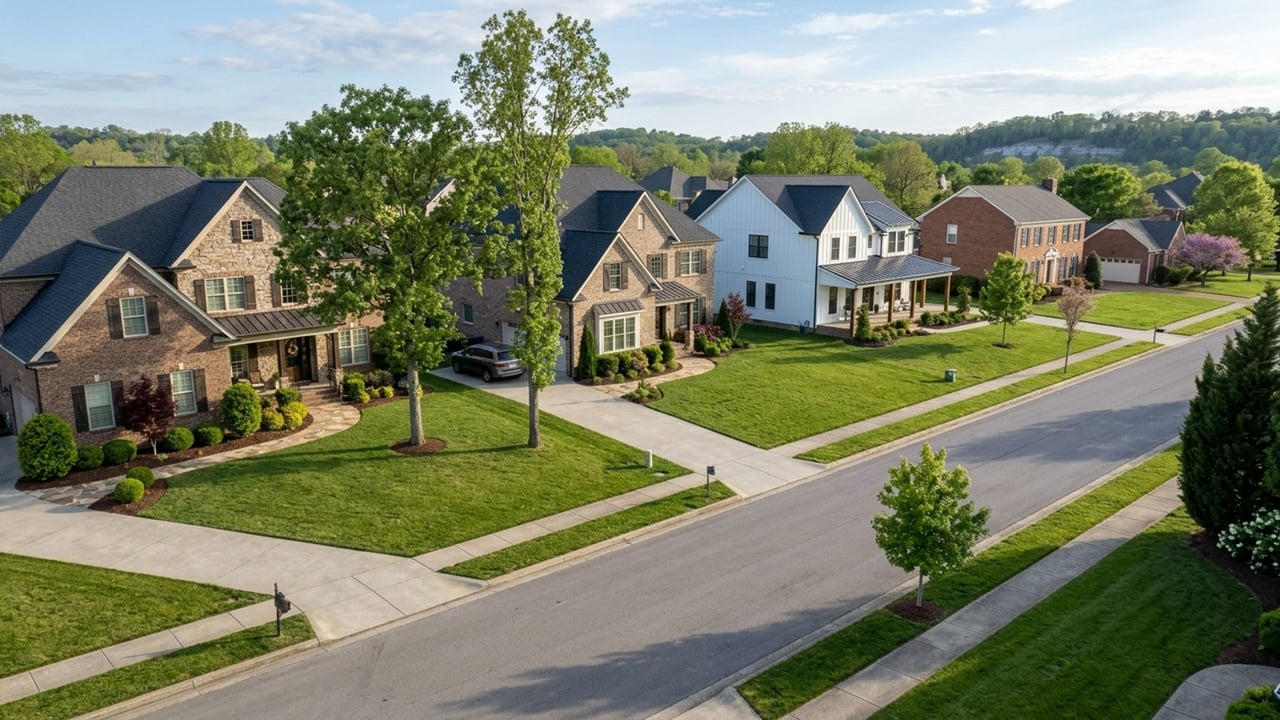
Real estate commissions in Franklin, TN: what sellers pay in 2026
Pricing November 12, 2026
Pricing November 12, 2026
In Franklin, how much commission you pay comes down to the property type. Single-family sellers sit in a tight market with 3.5 months of supply, where 19.3% of homes sold above list. That puts house sellers in the strongest position to negotiate both the listing fee and the buyer-agent offer as two separate numbers.
Condo sellers face a different picture entirely: 12 months of supply and an 85-day median on just 20 sales. For those sellers, offering buyer-agent compensation is most likely to affect how fast the home sells. No law or board sets a commission rate in Tennessee. It's whatever you agree to in the listing agreement.
Commissions in Franklin are negotiable. Condo sellers face a much slower market, so offering buyer-agent compensation up front is more likely to matter there than trimming the rate.
You're getting ready to sell a home in Franklin and deciding what commission to agree to, and whether to offer to pay the buyer's agent.
When you sell a property, commission is typically the largest single expense deducted from your proceeds. Because one commission point equals 1% of the sale price, you're better off judging every rate in dollars rather than percentages. There's no standard Franklin rate. Commissions are fully negotiable and are not fixed or mandated by Tennessee law.
Single-family homes sit at 3.5 months of supply; condos have 12 months. That gap in inventory changes how much negotiating power you have when you're sitting across from a listing agent. Your property segment sets realistic expectations before you sign anything.
At the single-family median sale price of $969,613, one point is about $9,700. A half-point concession represents real money on your bottom line. That above-list share puts sellers here in the strongest position to ask for a lower rate or a performance-based structure.
You might ask for a lower rate if the home sells within a set time. Treat that as a discussion point, not a guarantee.
Above-list sales are still the minority. Roughly four in five houses didn't get one. Cutting the fee by trimming marketing or photography can cost more in sale price than it saves in commission.
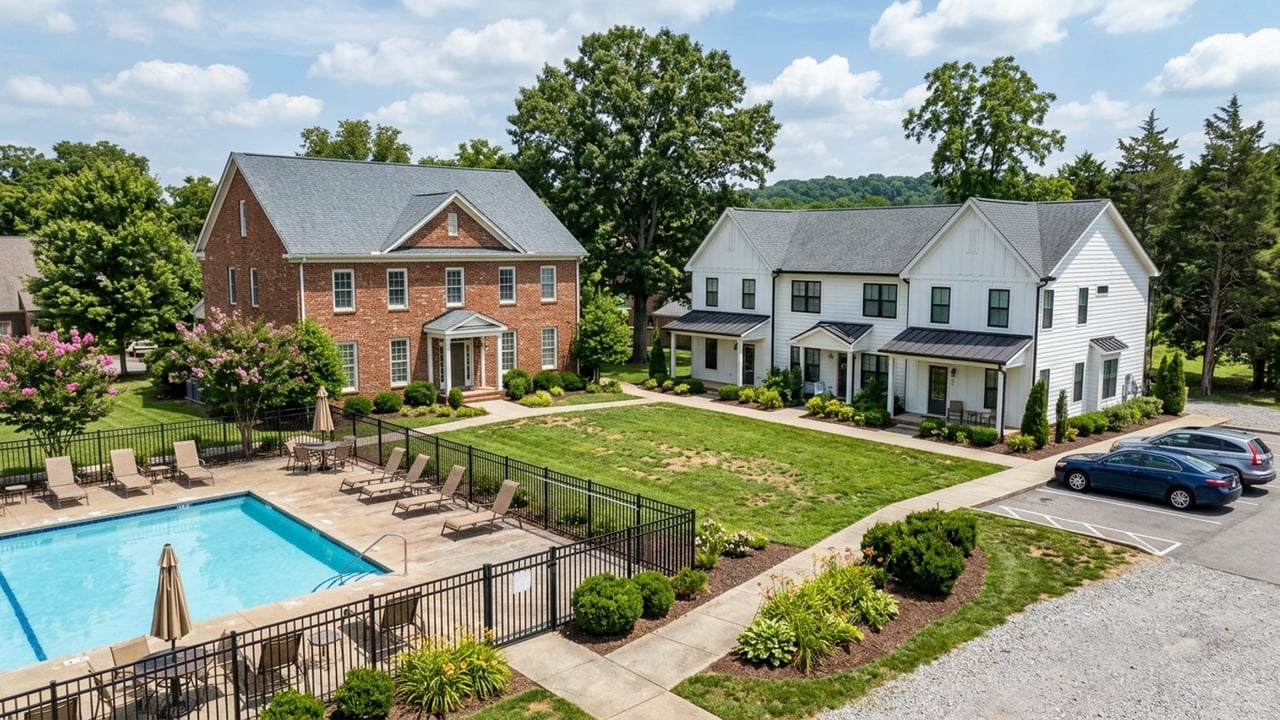
Townhouses are the in-between case. Price is up and supply is normal, yet they take almost as long to sell as condos. A point is worth about $6,150 at the $615,007 median.
The 82-day median means carrying costs, your mortgage, HOA, and utilities, run longer than they would for a detached house. Weigh any fee saving against an extra month or two of those costs. A low-fee listing that draws fewer showings can easily cost you more in carrying costs than it saves. Ask the HOA for current dues and any resale or transfer fee so you can put a dollar figure on each extra month.
At the $435,955 median, a point is only about $4,360, less than half a house point. Squeezing the rate saves relatively little here. The bigger factor is making the listing workable for buyers who have signed agreements to pay their own agent. You can do that by offering buyer-agent compensation or a concession.
This data covers only 20 condo sales in the 90-day window, so treat it as a rough signal rather than a firm benchmark. With a slow market and a small sample, no fee structure guarantees a faster sale. Offering buyer-agent compensation adds cost on top of the listing fee, so get a net estimate before you decide. Ask the HOA for the resale certificate fee and confirm whether the complex is FHA-approved, since only buyers using conventional or other eligible financing can purchase in a non-approved complex.
Since August 2024, offers of buyer-agent compensation can't be made on the MLS. RealTracs, the MLS serving Middle Tennessee, removed the compensation field to comply with the NAR settlement. Buyers must sign a written representation agreement with their agent before touring a home, which sets what their agent is paid.
A seller can still agree to pay some or all of the buyer's agent fee, either off-MLS or as a concession negotiated inside an offer. A buyer can ask for it in their offer. The result is that you now make two decisions: the listing fee and the buyer-side offer, instead of one bundled rate.
If an offer asks you to pay the buyer's agent, ask what the buyer's signed agreement requires. The process of selling a home in town shows how this affects your net proceeds. A direct comparison between a cash offer and an MLS listing can also clarify your total costs.
Negotiation requires comparing specific services and deciding separately how to handle the buyer's side. Because rates aren't set by law, you have room to structure the agreement around your property type.
Look at the total dollar amount, not just the percentage. A point on a single-family house is worth more than double a point on a condo. That makes the negotiation very different depending on what you're selling.
Compare proposals line by line. Look for professional photography, pricing analysis, MLS and syndication, showings, negotiation, and transaction management. A lower rate only means something when you're measuring it against the same service list.
Use the dollar-per-point figure from your home type to price the difference between two proposals. Service lists aren't standardized. Ask each agent to put what's included, and what costs extra, in the listing agreement itself, not in a brochure.
Treat the buyer-side offer as its own decision, driven by your home type. It's probably less critical in the tight single-family market and more likely to matter in the slow condo market. Your options: offer compensation up front, offer a concession the buyer can use for their agent, or wait and negotiate it inside an offer.
Offering nothing up front can narrow your pool to buyers able to pay their agent in cash on top of a down payment and closing costs. Agreeing to it inside an offer still costs you, just later in the process.
Flat-fee MLS services put your home on the MLS for a set price while you handle showings, pricing, and negotiation yourself. Discount brokerages charge a reduced rate for reduced service. Get the total cost in writing, including add-ons and any buyer-agent compensation you may still be asked to pay.
You take on the negotiating, which is where the gap between list and sale price gets decided. You may still face a buyer's agent fee in an offer, so the saving is often smaller than the headline price suggests.
Commission is usually the largest seller cost, deducted at closing and shown on the settlement statement. Other items include Tennessee's recordation tax, which is $0.37 per $100 of the sale price or property value. The buyer customarily pays this transfer tax under the standard Tennessee Realtors purchase and sale agreement, though it can be negotiated.
The contract also dictates who pays for the owner's title policy. You'll also see recording or release fees, your mortgage payoff, prorated property taxes, and any HOA transfer fees. For illustration only: on a hypothetical $900,000 sale, each commission point is $9,000, and you'd add the transfer tax only if the contract assigns it to you.
Ask the title company for a seller net sheet showing commission, transfer tax, title, and payoff before you list. That net sheet shows your final take-home and lets you compare a cash offer against an MLS listing.
There are a few things worth sorting out before you move forward.
Each 1% is $3,000, and the total commission is split between the listing and buyer brokerages, who then split with their agents. An 80/20 split is just an illustration since splits vary by brokerage. Franklin's medians are far above $300,000, so run the math on your own home type.
No, there's no set or standard rate. The Tennessee Real Estate Commission does not fix fees, and the NAR settlement reinforced that commissions are fully negotiable.
The listing agreement defines the basis, which is usually the final sale price. Check whether the agreement calculates commission on the gross sale price, and ask how seller credits or concessions are treated in the calculation.
Agents are paid at closing from the seller's proceeds. The fee is itemized on the settlement statement, not paid out of pocket beforehand. Ask the title or closing company for the seller's settlement statement and a net sheet.
You might, if the agreement has a protection or carryover clause covering buyers introduced during the listing. Find the protection period in the listing agreement and check how long it runs after expiration.
For a primary residence, commission is a selling expense that reduces the amount realized rather than a standard deduction. Per the IRS, selling expenses directly associated with selling the home reduce your selling price. Ask a tax professional how selling expenses apply to your sale. This page is not tax advice.
You pay no listing commission, but a represented buyer may ask you to cover their agent's compensation in the offer. Flat-fee MLS services also charge their own fee. Get any flat-fee provider's total cost in writing.
Tennessee real estate tips and insights.
Middle TN
Bill Diebenow | November 12, 2026
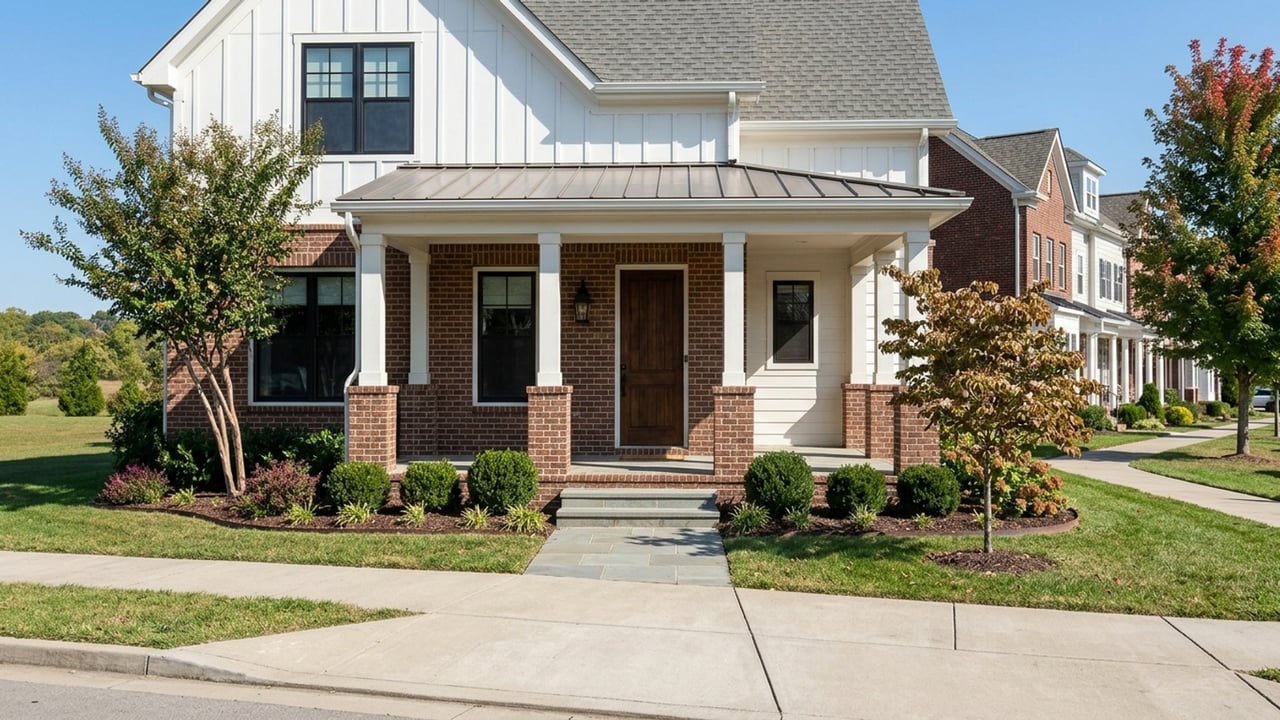
Pricing
Bill Diebenow | November 12, 2026
Home
Bill Diebenow | November 12, 2026
Home
Bill Diebenow | November 12, 2026
Home
Bill Diebenow | November 12, 2026
Search
Bill Diebenow | November 12, 2026
Bill's real estate experience spans residential and commercial transactions as an agent, buyer, seller, investor, tenant, landlord, and cross-county corporate relocation. Bill looks forward to understanding your needs, building your trust, and helping you successfully sell your existing home, find your new home, or add to your real estate portfolio.

Bill Diebenow
3990 Hillsboro Pike Suite 320 Nashville TN 37215