Leave a Message

Thank you for your message. We will be in touch with you shortly.

Where To Live In Franklin: A Neighborhood Overview

February 5, 2026

Not sure where to live in Franklin? You are not alone. With a charming downtown, thriving commercial hubs, and amenity‑rich communities, it can feel hard to compare apples to apples. This guide helps you match neighborhoods to your lifestyle, commute, and wish list, so you can focus on the areas that fit you best. Let’s dive in.

Franklin at a glance

Franklin sits just south of Nashville, about 20 to 25 miles from downtown, and serves as the county seat of Williamson County. You will find a mix of historic streets, older tree‑lined subdivisions, and newer master‑planned communities with pools, trails, and clubhouses. Demand is strong and inventory often runs tight compared with national averages. New construction continues to expand on the city’s edges, so options evolve quickly.

Downtown Historic Franklin

What you will find

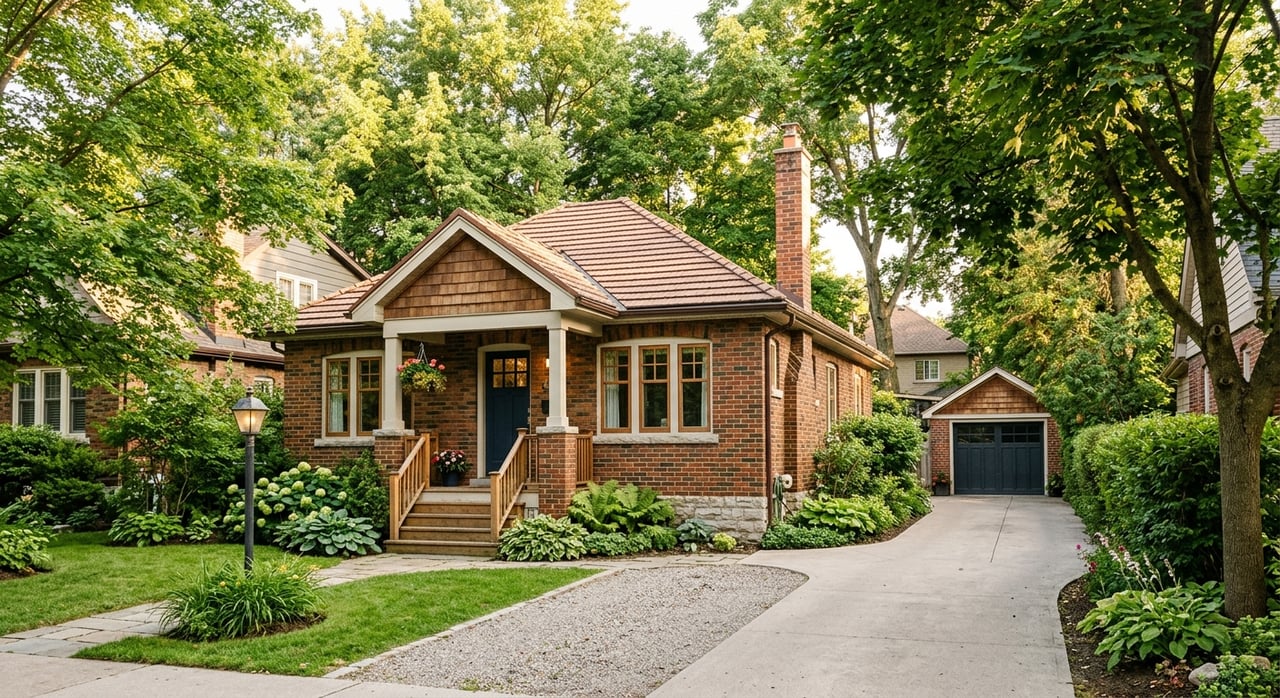
Downtown Franklin, often called Olde Towne, features historic single‑family homes, cottages, and renovated bungalows. Lots tend to be smaller, and many homes date to the 19th and early 20th centuries. A few townhomes and infill new builds appear within walking distance of Main Street.

Lifestyle and commute

If you value a walkable lifestyle, this is where you can stroll to restaurants, boutiques, and cultural venues like the Franklin Theatre. It offers quick access to US‑31 and routes to I‑65. Driving into Nashville is straightforward, though peak traffic can slow your trip.

Good fit if

  • You want character, history, and a pedestrian‑friendly environment.
  • You prefer being close to festivals, farmers markets, and local events.
  • You plan to trade yard size for proximity and charm.

Keep in mind

  • Historic district rules and preservation overlays can limit exterior changes.
  • Yards are small, and prices per square foot can run higher due to location.

West Franklin and Westhaven

What you will find

Westhaven and nearby west‑side neighborhoods are known for newer homes and a strong community feel. You will see a mix of single‑family homes, townhomes, custom builds, and a variety of lot sizes. Most construction dates from the 2000s to today.

Lifestyle and commute

You get resort‑style amenities such as clubhouses, pools, parks, and trails. Many residents commute by car with solid access to major roads that connect to Nashville and Cool Springs. The vibe is active and social, and day‑to‑day needs are close by.

Good fit if

  • You want newer finishes and modern floor plans.
  • You value community amenities and neighborhood events.
  • You prefer a planned setting with consistent design.

Keep in mind

  • HOAs, design standards, and fees are common.
  • Developer covenants can shape exterior choices and maintain a cohesive look.

Cool Springs and East Franklin

What you will find

This area borders Franklin’s major commercial corridor, with suburban subdivisions, newer infill communities, and townhome or condo options. Lots vary by subdivision, and most homes were built from the 1990s onward.

Lifestyle and commute

If you want to live close to major employers, shopping, and healthcare, this area puts you right in the mix. Commuters enjoy easy access to I‑65 and key arterial roads. Daily errands are convenient, though some streets carry busy commercial traffic.

Good fit if

  • You want a short drive to offices and services.
  • You like having malls, grocery stores, restaurants, and healthcare nearby.
  • You prefer mid‑ to higher‑density options and lower yard maintenance.

Keep in mind

  • Expect busier roads and retail activity in certain pockets.
  • Noise may vary by street due to proximity to commercial zones.

South Franklin and Berry Farms

What you will find

South Franklin includes master‑planned communities such as Berry Farms, plus newer single‑family neighborhoods and some active‑adult options. Many homes were built in the 2000s through the 2020s, often with modern layouts and energy‑conscious design.

Lifestyle and commute

You will find community parks, integrated schools in some plans, and on‑site retail in select areas. Commuting to downtown Nashville takes longer from here than from the northern side of Franklin, but you have convenient access to I‑65 and I‑840 for regional travel.

Good fit if

  • You want new or newer construction with neighborhood amenities.
  • You prefer a planned community feel with parks and trails.
  • You want a balance of space, style, and relative convenience.

Keep in mind

  • Development is active throughout southern Franklin and nearby Spring Hill.
  • Check planned road projects and builder timelines if new construction is on your list.

North and East Franklin Suburbs

What you will find

North and east Franklin include older subdivisions from the 1970s through the 1990s, plus newer infill and rural‑edge pockets. You will see medium‑sized lots in established neighborhoods and larger acreage parcels as you near the outskirts.

Lifestyle and commute

These areas appeal if you want mature trees, larger yards, or a semi‑rural feel within a short drive of downtown Franklin. Commute times vary based on your route to Nashville or Cool Springs. Day‑to‑day amenities are accessible, though not as concentrated as Cool Springs.

Good fit if

  • You value an established neighborhood setting.
  • You want more yard space or room for hobbies.
  • You prefer a quieter street pattern with local parks nearby.

Keep in mind

  • Utility service and sewer access can vary near the edge of town.
  • Some properties may have older systems or septic. Verify services before you buy.

Nearby alternatives to compare

  • Brentwood: Directly north of Franklin with larger lots in many areas and higher average price points. Separate city services, taxes, and school zoning.
  • Spring Hill and Thompson’s Station: South and southwest with newer developments and often a lower price per square foot. Commutes tend to be longer.
  • Leiper’s Fork: A rural, historic village setting with acreage and a country atmosphere. Services differ from those in Franklin city limits.

Commute and getting around

Most Franklin residents commute by car. Regional transit options exist on a limited basis, and commuter rail does not currently reach Franklin. Test your route at rush hour so you know what to expect.

Major roads include:

  • I‑65 for direct north‑south travel into Nashville.
  • US‑31 for a surface‑street route through downtown Franklin.
  • Mack Hatcher Parkway for circumferential trips that connect neighborhoods and commercial hubs.
  • I‑840 for regional east‑west travel around the metro area.

Practical tip: Downtown Franklin and master‑planned communities like Westhaven offer the most walkable everyday experience. Cool Springs and many suburbs are car dependent for errands.

Schools, parks, and services

Most Franklin addresses are zoned to Williamson County Schools, a district widely regarded as high performing in Tennessee. Attendance zones depend on your exact address and can change during rezoning. If schools are a priority, verify current boundaries and capacity with the district before you write an offer.

For parks and culture, you will find community events and historic sites throughout downtown, plus open‑space amenities like Harlinsdale Farm Park and the Harpeth River. Many master‑planned neighborhoods offer pools, playgrounds, trails, and community centers on site.

Healthcare access is strong, with a regional hospital in Franklin and specialty providers nearby. Shopping and dining cluster in two key places. Downtown Main Street offers independent restaurants and boutiques, while the Cool Springs area concentrates malls, big‑box retail, and everyday services.

What impacts value in Franklin

Price and inventory

Franklin’s desirability and school district reputation help support prices above national medians. Inventory and days on market change quickly. Ask for current MLS neighborhood reports when you get serious in a micro‑area.

New construction vs resale

  • New construction in master‑planned communities delivers modern layouts, energy features, and builder warranties. Budget for lot premiums, design center choices, and HOA fees.
  • Resale options run from historic homes downtown to established subdivisions. Older properties can need updates and system upgrades, so plan for inspections and due diligence.

Covenants, overlays, and rules

  • Historic district properties follow preservation guidelines for exterior changes or additions.
  • Master‑planned communities commonly have HOA covenants and architectural standards. Review what fees cover and how design approvals work.

Environmental and utilities

  • The Harpeth River and tributaries create floodplains in parts of Franklin. Check FEMA and local maps during your lot review.
  • Verify municipal water and sewer on the edges of town. Some properties use septic or have older utility systems.

Carrying costs and resale

  • Review Williamson County tax rates and assessments to understand your monthly costs.
  • Proximity to downtown, major employers, school access, and highways generally supports long‑term value. Also consider future development and remaining new‑build phases.

How to narrow your search

Use this step‑by‑step checklist to focus your options:

  1. Define your top five priorities. Be clear about commute tolerance, school preferences, lot size, home age or style, and desired amenities like pools or trails.
  2. Test your commute at peak times. Try multiple routes to compare US‑31, I‑65, Mack Hatcher, and I‑840.
  3. Request neighborhood market snapshots. Ask for recent sales, days on market, and trend lines for each target community.
  4. Verify school boundaries. Confirm zones and capacity with the district and review recent maps.
  5. Review HOA documents early. Understand fees, design standards, and community rules before you fall in love.
  6. Check flood and utility maps. Confirm sewer, water, and any floodplain considerations for lots on your shortlist.
  7. Order a thorough inspection. For resales, plan for system checks and cost estimates. For new builds, consider phased inspections.
  8. Scan city planning pages. Road projects or nearby commercial plans can affect daily life and future resale.

Ready to go deeper on specific streets or micro‑pockets? A neighborhood‑level plan shortens your timeline and helps you act with confidence.

If you are weighing Downtown charm against Westhaven amenities, or you want the best commute for a Nashville office, let an organized process lead the way. For a tailored search plan, neighborhood reports, and relocation coordination, reach out to Bill Diebenow. You will get a calm, professional approach that keeps your move on track.

FAQs

What is the best Franklin area for a Nashville commute?

  • Cool Springs and west‑side locations near I‑65 and Mack Hatcher tend to offer shorter highway access, while downtown has direct US‑31 but can slow during peak hours.

Where can I find walkable historic homes in Franklin?

  • The Downtown Historic District, often called Olde Towne, concentrates renovated historic homes and a pedestrian‑friendly Main Street environment.

Which Franklin neighborhoods have new homes with amenities?

  • Master‑planned communities such as Westhaven and Berry Farms offer newer construction with pools, parks, trails, and clubhouses.

How do I verify school zones before buying in Franklin?

  • Confirm current boundaries, capacity, and any planned rezoning directly with Williamson County Schools, and review the latest school maps when you write an offer.

Are there flood risks I should know about in Franklin?

  • Yes. Lowlands along the Harpeth River and other streams can be in mapped floodplains, so check FEMA and local flood maps during your due diligence.

What HOA rules should I expect in master‑planned communities?

  • Expect covenants that guide architecture and exterior changes, plus monthly or quarterly fees for amenities and maintenance. Review the full HOA documents before you commit.

More Recent posts

Tennessee real estate tips and insights.
Where To Live In Franklin: A Neighborhood Overview

February 5, 2026

Where To Live In Franklin: A Neighborhood Overview

Economy

Nashville’s Real Estate Momentum—Conventions + Bleisure

Bill Diebenow  |  June 20, 2025

Nashville’s Real Estate Momentum—Conventions + Bleisure
Best Time To Sell A Franklin Home

January 1, 2026

Best Time To Sell A Franklin Home
Prep Now, Pay At Close: Compass Concierge In Green Hills

January 15, 2026

Prep Now, Pay At Close: Compass Concierge In Green Hills
Remodeling a 1950s Ranch in Green Hills: A Practical Guide

November 6, 2025

Remodeling a 1950s Ranch in Green Hills: A Practical Guide

Economy

2026 Real Estate Forecast

Bill Diebenow  |  December 17, 2025

2026 Real Estate Forecast

Work With Bill

Bill's real estate experience spans residential and commercial transactions as an agent, buyer, seller, investor, tenant, landlord, and cross-county corporate relocation. Bill looks forward to understanding your needs, building your trust, and helping you successfully sell your existing home, find your new home, or add to your real estate portfolio.