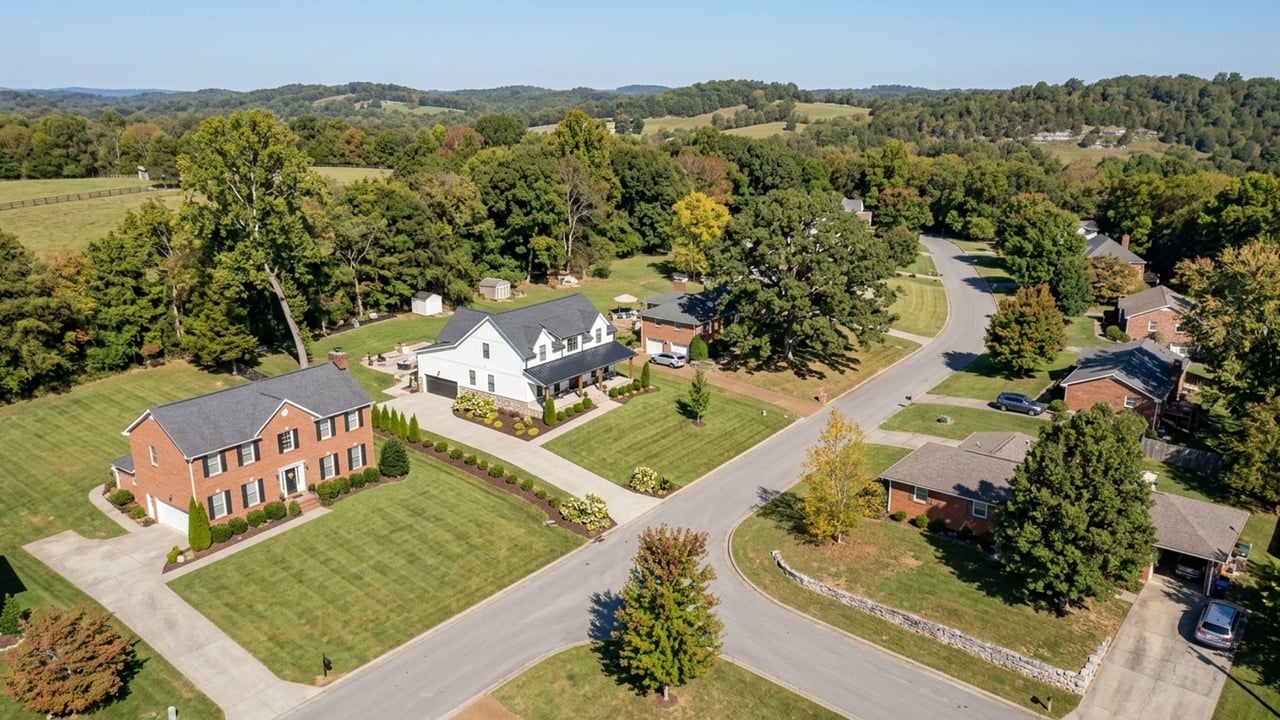
Comparing the Real Estate Markets in Franklin, TN and Nashville for 2026
Real Estate October 6, 2026
Real Estate October 6, 2026
Franklin, TN sits about 21 miles south of Nashville in Williamson County. If you're weighing a move to Middle Tennessee, you've probably already started comparing the pros and cons of living in Franklin, TN against the Nashville market - and they're different enough that the choice matters quite a bit depending on what you're looking for.
What it comes down to is housing density, commute times, and what you're willing to pay. One city gives you urban density and a lower median home price. The other gives you larger lots, a different tax structure, and a price tag to match.
The financial gap between Davidson County and Williamson County is real and worth understanding before you fall in love with a neighborhood. Nashville gets you in the door at a lower price point; Franklin charges a premium for the location and the land.
Property taxes are part of the monthly payment too, not an afterthought. Tennessee assesses residential property at 25% of its appraised value, but the county and city rates are what move the needle on your bill.
The median sale price for a home in Franklin right now is approximately $862,929. Homes are spending roughly 49 days on the market before closing - not a sprint, but not slow either. Inventory recently hovered around 566 listings, which gives you real options without the frantic bidding wars you'd see in a tighter market. Sellers are doing well too, with an average sale-to-list price ratio of about 98.2%.
Nashville's entry point is considerably lower. As of mid-2026, the median sale price sits at roughly $480,000, and broader estimates from Zillow put the typical home value around $434,068. For buyers working with tighter down payment constraints, Nashville is usually where the search starts.
Williamson County carries a base property tax rate of $1.30 per $100 of assessed value. Depending on whether a property falls inside the Franklin Special School District, the combined county and city effective rate ranges from 0.33% to 0.56% of the home's market value.
Davidson County splits Nashville into the General Services District and the Urban Services District, with a combined rate of $2.8140 per $100 of assessed value. That translates to an effective rate of roughly 0.70% or more - meaning Nashville residents pay a meaningfully higher percentage of their home's value in taxes than Franklin residents do.
The architectural character of these two cities couldn't be much more different across that 21-mile stretch. Nashville has leaned hard into density and urban renewal. Franklin has held onto its preserved architecture and prioritized land.
If you want acreage or generous setbacks, Williamson County is where you're going to find them. If you'd rather have a low-maintenance exterior and the ability to walk somewhere, Davidson County is the better fit.
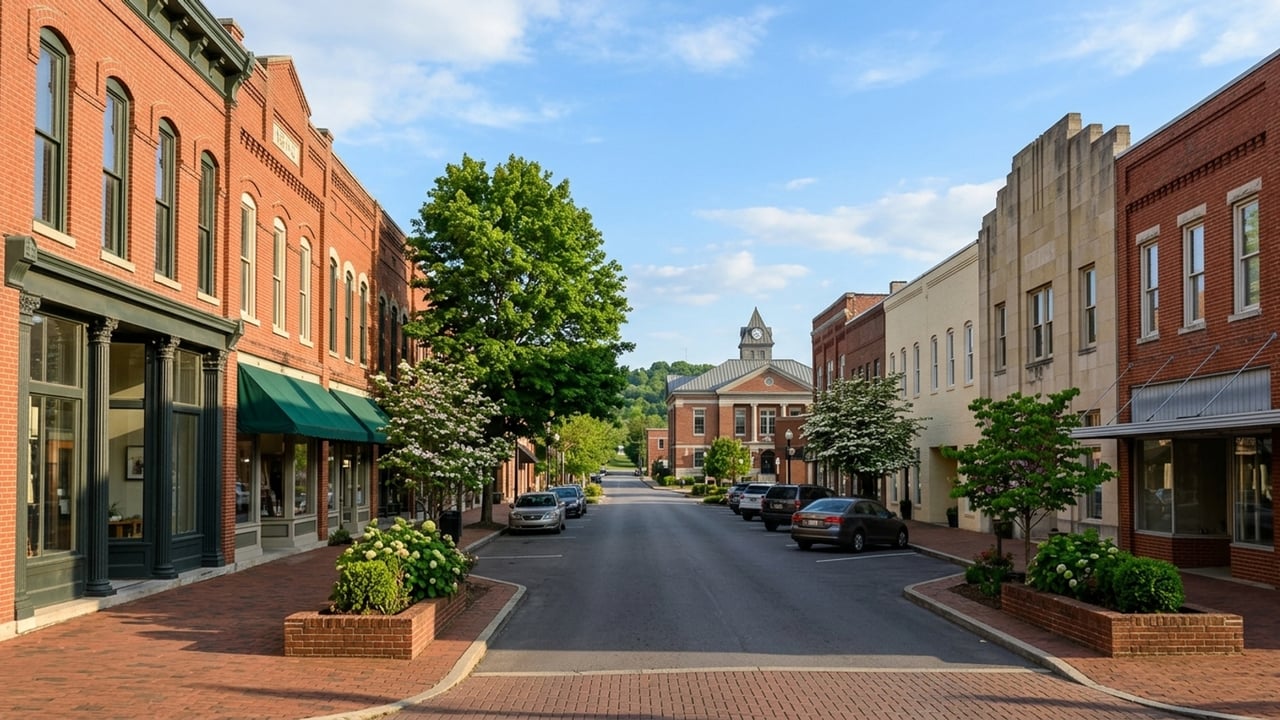
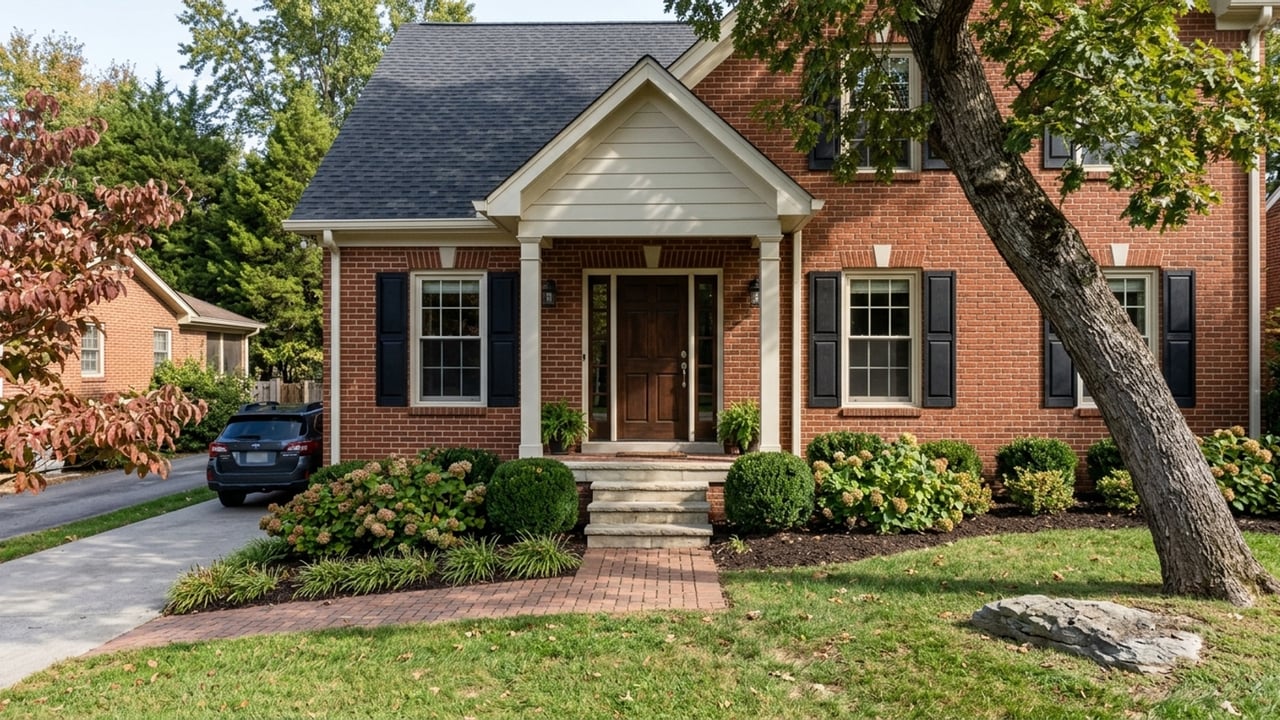
Downtown Franklin has real concentrations of Victorian and Craftsman-style homes - properties that date back decades, with large front porches and mature trees. It's not manufactured charm; it's the actual thing.
Step outside the immediate downtown and you're looking at newer construction developments with larger lot sizes. Buyers who want traditional single-family estates with room to breathe tend to focus their search out here.
Nashville's inventory leans toward attached housing and modern construction. The Gulch is the clearest example - high-rise condominiums with shared amenities and structured parking. Single-family homes exist within the city limits, but they're generally sitting on smaller footprints than what you'd find in Williamson County. Downtown is built for vertical living and immediate access to everything commercial.
For anyone buying in Franklin and working in Nashville - or vice versa - the commute on I-65 North is a daily fact of life. The 21 miles between these cities can feel very different depending on when you leave.
Do yourself a favor and test your specific commute during peak hours before you make an offer. The range is wide enough that it changes the calculation for some buyers.
During the 7:00 AM to 9:00 AM morning rush, the drive from Franklin to downtown Nashville via I-65 North typically runs 40 to 60 minutes. If you're starting from a commercial hub like Cool Springs, you're probably looking at the longer end of that range. Off-peak, the same 21 miles takes about 25 to 30 minutes.
When I-65 bogs down, the go-to alternative is US-31 - Franklin Pike - which runs North-South through residential and commercial zones and offers a more direct surface route between the cities. That said, the traffic lights along Franklin Pike have their own way of stretching out the evening commute, so it's not always the shortcut it looks like on a map.
These two cities offer genuinely different environments on a Saturday afternoon. Nashville's commercial zoning supports large-scale entertainment. Franklin keeps its commercial development deliberately limited to protect the historical scale of what's already there.
What you want out of your weekends should factor into this decision as much as your monthly payment does.
Franklin's Main Street is the commercial center - local businesses, dining, and retail in preserved historic buildings. The pace is slower than the state capital, and that's by design. For outdoor space, Pinkerton Park is the local anchor, with walking trails and open areas just a short distance from downtown.
Nashville's entertainment scene is built around Broadway, with a dense concentration of live music venues and restaurants that operate at high volume year-round. Centennial Park anchors the recreational side of things - expansive walking paths, historical monuments, and open space sitting right in the middle of the urban grid.
During the 7:00 AM to 9:00 AM morning rush hour, driving from Franklin to downtown Nashville on I-65 North takes about 40 to 60 minutes. Without traffic, the 21-mile trip takes roughly 25 to 30 minutes.
Franklin commands a higher price point, with a recent median sale price of approximately $862,929. Nashville's median sale price sits much lower, at roughly $480,000.
Franklin offers larger lot sizes, traditional estates, and historic Victorian and Craftsman homes near its downtown. Nashville provides more urban density, including modern condos in neighborhoods like The Gulch and single-family homes on smaller lots.
Franklin residents pay a lower effective property tax rate, ranging from roughly 0.33% to 0.56% of their home's market value. Nashville residents in Davidson County pay a higher effective rate of about 0.70% or more.
Franklin maintains distinct commercial zoning that preserves the historical scale of its Main Street district. Buyers purchasing Victorian or Craftsman homes near Downtown Franklin will find a strong emphasis on preserved architecture, whereas Nashville features more modern urban development and high-rise zoning in areas like The Gulch.
It depends on the type of lifestyle you want. Nashville provides dense, walkable access to large entertainment venues on Broadway and modern amenities in The Gulch, while Franklin offers a walkable historic Main Street district and access to green spaces like Pinkerton Park.
Many buyers looking outside of Davidson County expand their search to include other nearby communities. Making a Franklin, TN vs Brentwood comparison usually comes down to specific commute times along I-65 and individual neighborhood layouts. Both areas provide the larger lot sizes and lower property tax rates associated with Williamson County.
Tennessee real estate tips and insights.
Real Estate
Bill Diebenow | October 6, 2026
Real Estate
Bill Diebenow | October 6, 2026
Real Estate
Bill Diebenow | October 6, 2026
Real Estate
Bill Diebenow | October 6, 2026
Bill Diebenow | October 6, 2026
Real Estate
Bill Diebenow | October 6, 2026
Bill's real estate experience spans residential and commercial transactions as an agent, buyer, seller, investor, tenant, landlord, and cross-county corporate relocation. Bill looks forward to understanding your needs, building your trust, and helping you successfully sell your existing home, find your new home, or add to your real estate portfolio.
Bill Diebenow
3990 Hillsboro Pike Suite 320 Nashville TN 37215