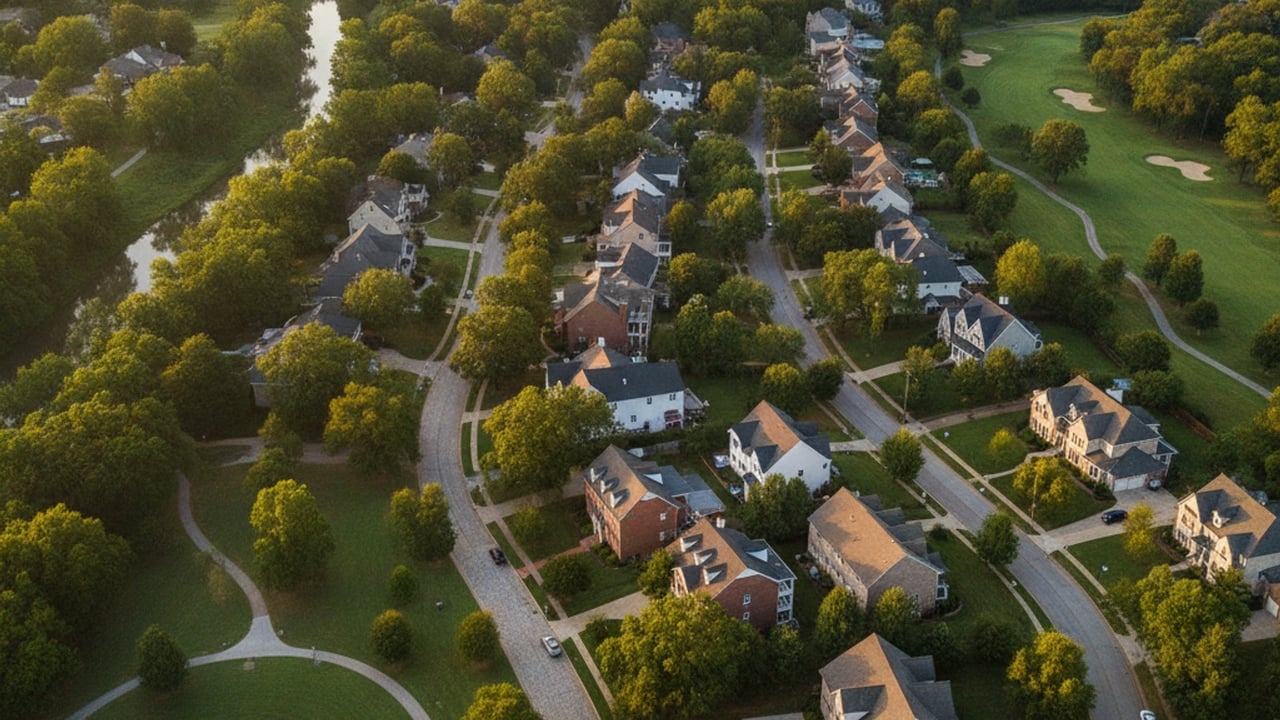
The Pros and Cons of Living in Franklin, TN in 2026
Real Estate October 6, 2026
Real Estate October 6, 2026
If you've spent any time looking at Middle Tennessee real estate, the prospect of buying a home in Franklin, TN has probably come up. It's grown from a quiet historic town into one of the Nashville area's biggest suburban draws - just 21 miles south of downtown, close enough to the city to be practical, far enough to feel like its own place. That combination keeps relocators circling back to it.
But the conversation always comes back to price. With a median sale price pushing past $860,000, this isn't a market where you can just decide you like the vibe and figure out the numbers later. Commute times, property taxes, and overall affordability all need to be in your spreadsheet before you start scheduling showings.
Franklin has real things going for it - a strong local economy, steady housing demand, a wide range of property types, and infrastructure that the local government is actively spending money to maintain. Those aren't small things.
The tradeoff is straightforward, though. Getting in costs a lot, and if your job is in Nashville, you're looking at meaningful time on I-65 every morning and evening. Neither of those is a dealbreaker for every buyer, but both have to be on the table before you start.
The main advantages come down to variety and convenience. You can find historic properties near the city center, newer construction on the outskirts, and a lot in between. Residents have access to extensive parks, local shopping districts, and Nashville's broader entertainment options without living inside the city limits. The local government continues to invest in civic centers and road improvements to keep pace with the growing population.
Housing costs sit well above state and national averages - full stop. Property taxes in Williamson County add to the monthly carrying costs on top of that. And if you're commuting north on I-65 during morning or evening rush hours, build in extra time. It adds up over a week.
You're essentially paying a premium for the local amenities and the suburban pace. That's a reasonable trade for a lot of buyers. The question is whether your daily commute and your housing budget line up with what the market is asking. Comparing Franklin's numbers against other suburbs nearby makes that calculation a lot clearer.
Franklin is the county seat of Williamson County, sitting roughly 21 miles south of downtown Nashville. Williamson County has seen rapid residential growth over the past decade, and Franklin sits at the center of that. The local economy supports a mix of corporate headquarters and small businesses, which means not every resident is pointing their car north every morning.
The city covers about 41 square miles of rolling Middle Tennessee terrain. Interstate 65 is the main spine connecting it to Davidson County, with Franklin Road and Hillsboro Road serving as secondary options when the highway gets backed up.
Williamson County borders the southern edge of the Nashville metropolitan area. The drive to Nashville takes about 30 minutes without traffic - which means that in real life, you need to plan for closer to an hour during rush hour, because congestion on I-65 can easily double it.
According to the 2020 U.S. Census, Franklin's population was 83,454, making it the seventh-most populous city in Tennessee. The Census Bureau estimated that number had reached 89,142 by 2024. That steady growth keeps pushing demand for housing and local services in the same direction - up.
Buyers always ask about crime, and with Franklin the data gives you something concrete to work with rather than just gut feelings from online forums.
City-Data.com's 2025 crime index for Franklin is 84, which is 2.7 times lower than the U.S. average, though the rate did rise 4% compared to 2024. BestPlaces.net rates the city's violent crime index at 11.9, against a U.S. average of 22.7, and its property crime index at 23.3, against a national average of 35.4.
NeighborhoodScout, which pulls from FBI data, puts the overall crime rate at about 11 crimes per 1,000 residents. The violent crime rate sits at about 1 per 1,000, translating to roughly a 1-in-749 chance of being a victim of a violent crime - which aligns roughly with the national average. Numbers like these give you a factual starting point instead of relying on someone's anecdote.
Don't stop at the aggregator sites. The Franklin Police Department, the Williamson County Sheriff's Office, and the FBI's Uniform Crime Reporting (UCR) program all publish their own data. Pulling up the official crime map lets you look at specific streets and neighborhoods on your own terms, which is always worth doing before you make an offer.
Affordability is the thing that stops buyers cold in this market, and it's worth being direct about it. Franklin's cost of living runs noticeably higher than most of Tennessee, and housing is doing most of the heavy lifting on that gap.
Groceries, utilities, and transportation track closer to national averages - the shock is almost entirely in real estate. You need to come in with a clear-eyed budget.
As of mid-2026, the median sale price for a home in Franklin is around $863,530, up 5.3% year-over-year. Homes are spending a median of 48 days on the market, and inventory sits at a 3.7-month supply. For context, Census ACS data put the median property value at $705,400 in 2024 - already more than double the national average at the time.
The mortgage is the headline, but it's not the whole story. Budget for Williamson County property taxes, any HOA fees that come with the property, and general maintenance. Residents here allocate a larger share of monthly income to housing than people in most neighboring counties, and adding commute costs and utility rates to the picture gives you the real monthly number to work with.
Franklin has a well-established, working-age population and a local economy with enough going on that not everyone is commuting to Nashville. Corporate offices, local retail, and healthcare facilities all provide jobs within the city itself.
The community infrastructure runs the range from the historic downtown to large suburban shopping centers - you can handle daily errands and weekend recreation without leaving the county.
Census Reporter data shows Franklin's median age at 40.3 years, slightly above the Tennessee state median of 39.1. The median household income is $122,014, about 1.4 times the Nashville metro area figure of $88,800. Those income numbers reflect what it takes to carry a mortgage here.
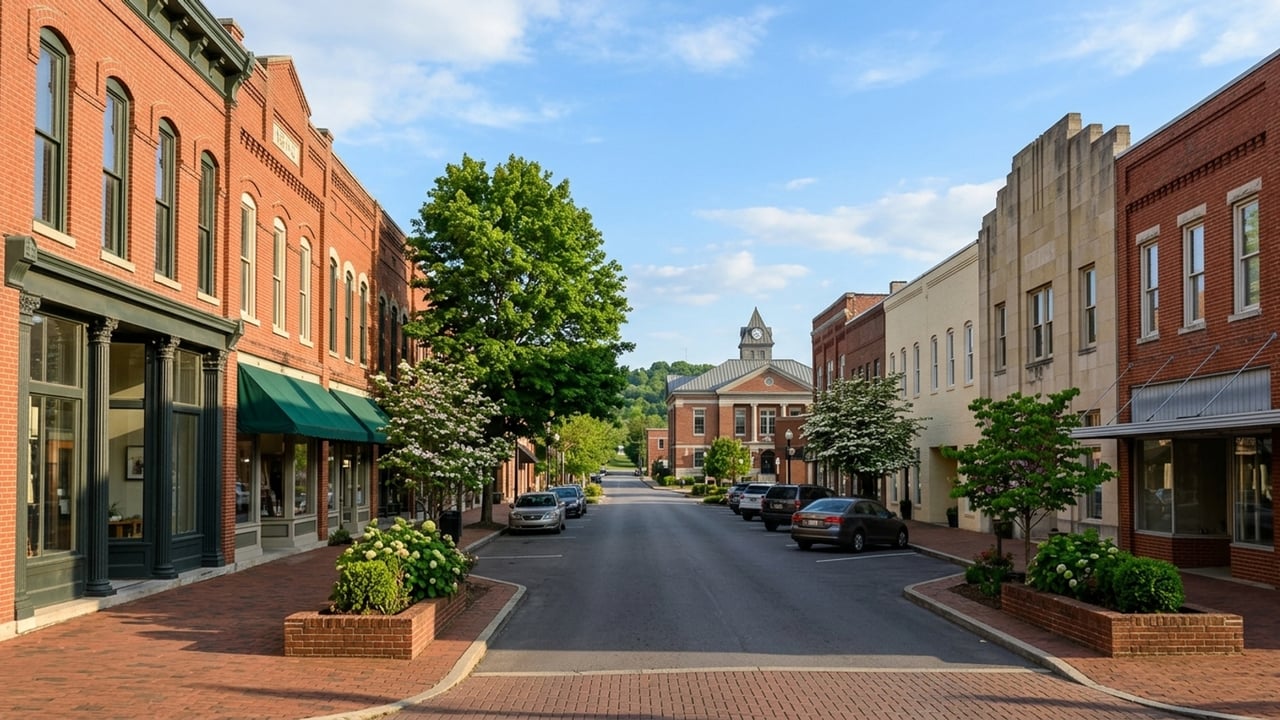
Downtown is active - local restaurants, boutiques, and historic sites draw people in regularly. Outside the city center, there are large parks, greenways, and modern recreational facilities maintained by the local government. The mix of historic preservation and newer commercial development gives you a fair amount of range for dining and shopping without driving far.
Most serious buyers in this price range are comparing Franklin to Nashville proper and to other suburbs before they commit. Each option trades something different, and the right answer depends entirely on your priorities.
It comes down to whether you want urban convenience or suburban space. Mapping out your actual weekly routine - where you work, where you shop, what you do on weekends - will tell you more than any general comparison.
Nashville gives you higher-density housing, a larger nightlife scene, and direct access to major employers, often at a lower median price point depending on the neighborhood. Franklin offers larger lot sizes, a quieter suburban environment, and a distinct historic downtown - but it comes with a higher housing budget and a longer commute if your job is in the city.
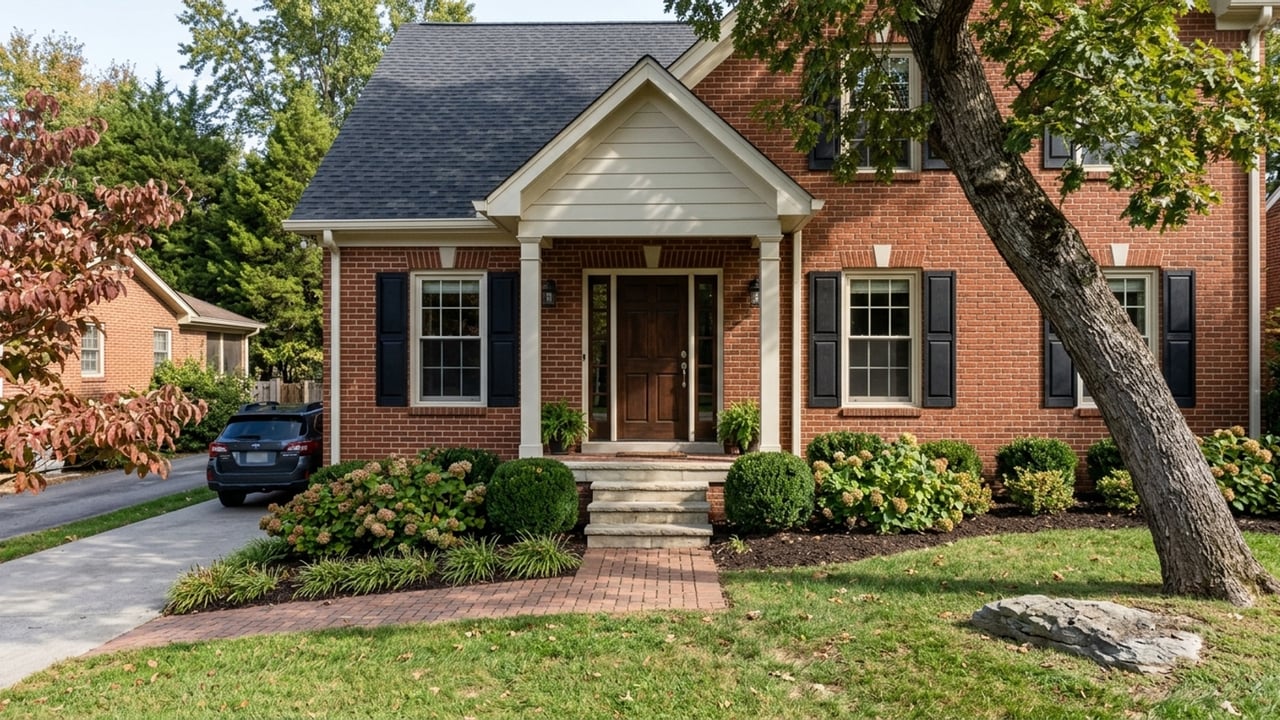
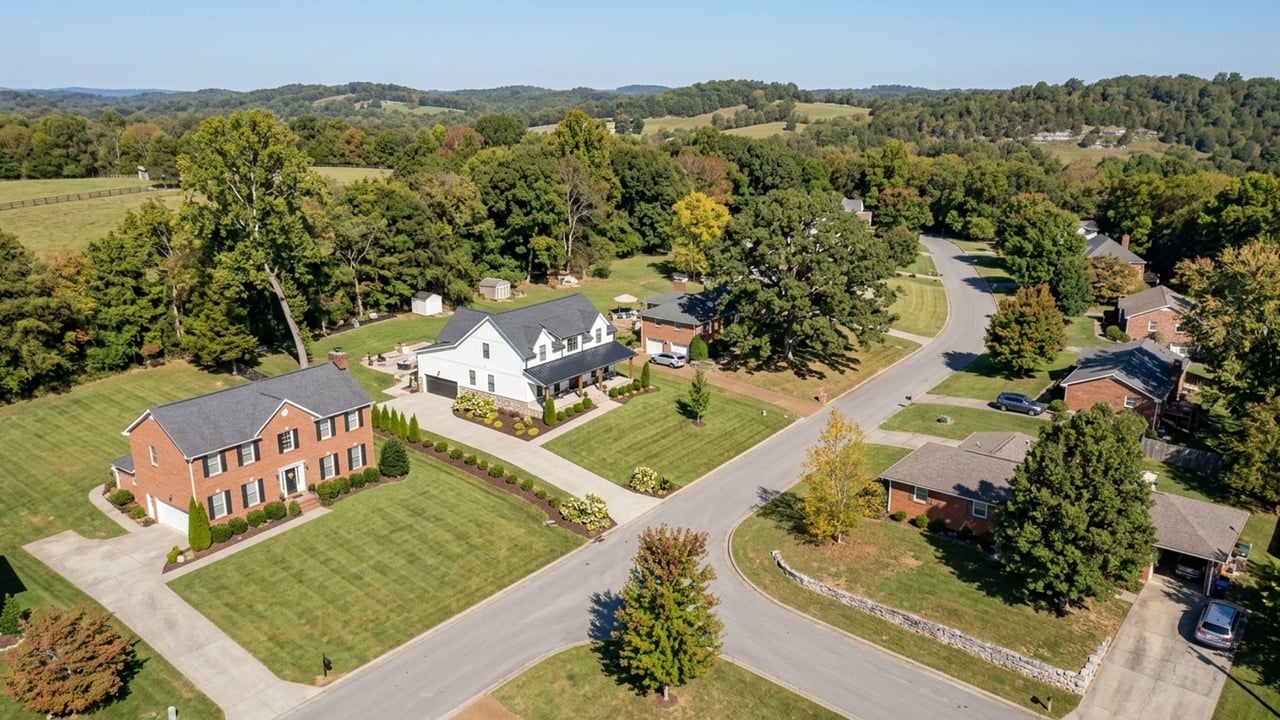
Nashville's inventory skews toward condos, townhomes, and single-family houses across a wide range of densities. Franklin is mostly detached single-family homes in established subdivisions. Buyers who choose Franklin are generally trading commute time for more square footage and a different daily pace - which is a perfectly reasonable trade, as long as you've done the math on the drive.
Franklin's real estate market includes a range of specialized housing facilities beyond the standard single-family and condo inventory. Buyers and renters with specific living arrangement needs will find several established communities throughout the city, from independent living complexes to more structured environments.
Zoning and local development have allowed these facilities to expand alongside population growth, and location within the city often determines how close you are to healthcare, public transit, and commercial services.
Franklin has numerous senior living and assisted living facilities - independent 55+ communities, full-service care centers, and options in between. Many are located near major medical centers, which matters when access to healthcare and daily assistance is part of the equation. Buyers looking for lower-maintenance living will find several newer developments to consider.
There are also sober living homes in Franklin, designed to provide structured, supportive environments for individuals in recovery. These facilities operate in residential neighborhoods and offer access to local employment opportunities and community support networks.
The city's public facilities are distributed across its different quadrants rather than clustered in one area, which matters when you're deciding which neighborhood to focus on. For a lot of buyers, proximity to specific amenities is what tips the scales on a particular street or subdivision.
The local government continues to invest in parks, roads, and community centers to keep pace with the population growth - something worth factoring in when you're evaluating a neighborhood's trajectory.
Franklin has extensive public parks, walking trails, and youth sports complexes. Local recreation centers offer indoor pools, fitness equipment, and community classes year-round. These aren't amenities you need to drive out of the county to reach, which is part of the practical appeal of the city.
For healthcare, local hospitals and specialized clinics operate within the city limits, so routine and specialized appointments generally don't require a drive into Nashville. The nightlife scene downtown runs toward casual dining, breweries, and live music venues - a more relaxed atmosphere than what you'll find in Nashville's entertainment districts, which suits a lot of residents just fine.
Housing in Franklin runs noticeably higher. The median household income in Franklin is $122,014 - about 1.4 times the Nashville metro area figure of $88,800 - which reflects the higher overall cost of living and real estate prices in Williamson County.
It depends on when you leave. The 21-mile drive up I-65 takes about 30 minutes with no traffic, but rush-hour congestion can easily double that.
They come up constantly when buyers are comparing Williamson County to other options. You'll want to review the specific district boundaries and state data to see how individual schools line up with your situation.
Brentwood generally features larger lots and even higher median home prices than Franklin. Franklin offers a slightly wider variety of housing types and a more developed historic downtown.
High housing costs and heavy commuter traffic are the two things that come up most. With the median sale price around $863,530, affordability is the most common frustration buyers run into.
Certain areas near local waterways sit in designated flood zones. Always check the FEMA flood maps and talk to your insurance agent when you're evaluating a specific property - this is not something to leave until after you're under contract.
Tennessee real estate tips and insights.
Real Estate
Bill Diebenow | October 6, 2026
Real Estate
Bill Diebenow | October 6, 2026
Real Estate
Bill Diebenow | October 6, 2026
Real Estate
Bill Diebenow | October 6, 2026
Bill Diebenow | October 6, 2026
Real Estate
Bill Diebenow | October 6, 2026
Bill's real estate experience spans residential and commercial transactions as an agent, buyer, seller, investor, tenant, landlord, and cross-county corporate relocation. Bill looks forward to understanding your needs, building your trust, and helping you successfully sell your existing home, find your new home, or add to your real estate portfolio.
Bill Diebenow
3990 Hillsboro Pike Suite 320 Nashville TN 37215