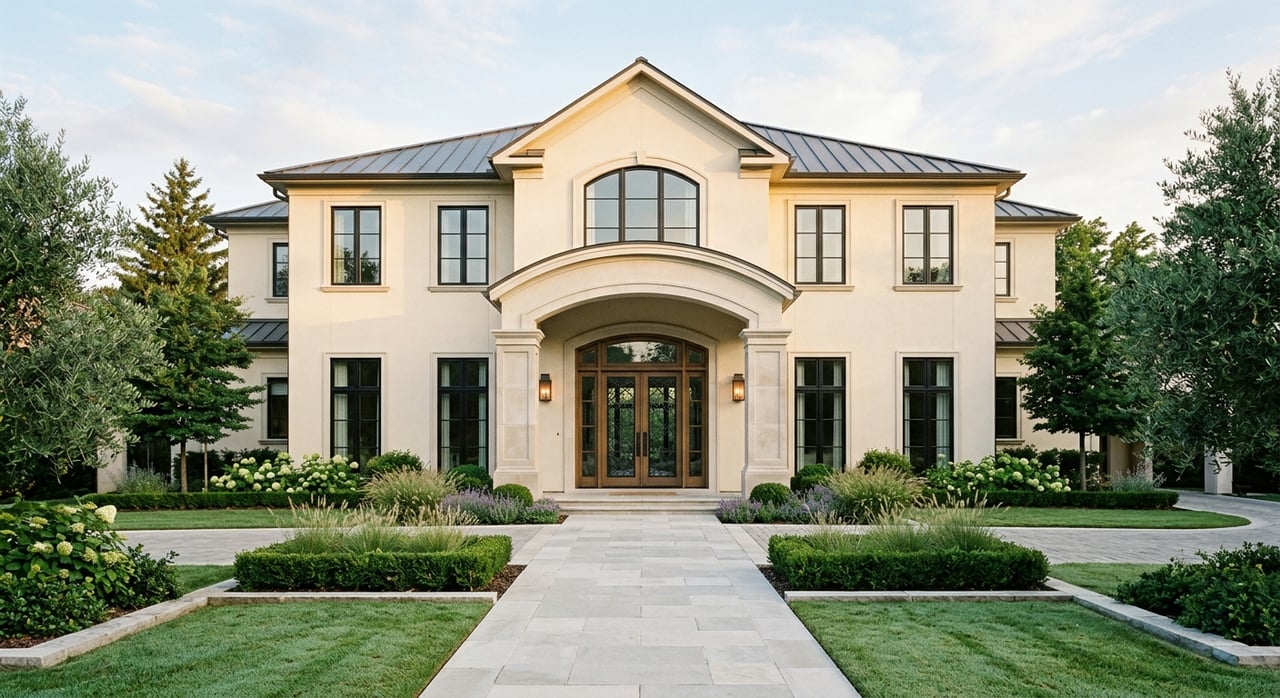
From Walkthrough To Closing: Selling A Home In Green Hills
June 18, 2026
June 18, 2026
Selling in Green Hills can feel straightforward on the surface. It is a well-known Nashville neighborhood, and buyers already recognize the location. But in a high-value market where buyers are selective and inventory has been rising, a successful sale usually comes down to smart preparation, careful pricing, and a disciplined plan from the first walkthrough to the closing table. If you want to protect your time, reduce stress, and position your home well, this guide will walk you through what matters most. Let’s dive in.
Green Hills sits in a high-price segment, with recent market snapshots showing median sale prices around $1.25 million to $1.30 million. Across 37215, median listing prices have been around $1.50 million, with days on market generally landing in the low-50s to low-60s depending on the source and time frame. That tells you the market has real value, but it does not reward a casual approach.
The broader Nashville market has also been moving toward more balance. Greater Nashville REALTORS reported early 2026 inventory was up 12% year over year, and single-family homes averaged 72 days on market. As buyers gain more leverage, pricing too high or launching before your home is truly ready can cost you both time and negotiating power.
A strong sale usually begins before your home ever hits the market. During a pre-listing walkthrough, you can look closely at condition, timing, likely repairs, and the type of buyer your property is most likely to attract. That early review helps you avoid rushed decisions later.
This step is especially useful in Green Hills, where presentation often shapes first impressions quickly. If your home needs cosmetic work, touch-ups, or a more polished layout for photos, it is better to identify that upfront instead of reacting after buyers start touring.
Your first goal is to separate must-do items from nice-to-do upgrades. Deferred maintenance, visible wear, and unfinished repairs can create friction during showings and again during inspection. Even in a sought-after neighborhood, buyers tend to notice details when price points are high.
A practical review often includes paint, flooring, lighting, landscaping, storage, and any systems with known issues. When you know what needs attention, you can build a prep plan that supports both your timeline and your expected list price.
In Tennessee, most residential sellers must complete a Residential Property Disclosure statement. The form covers items such as the property address and age, known defects or malfunctions, environmental hazards, flood or drainage issues, encroachments, and unpermitted work.
This is not just paperwork for the end of the transaction. The state warns that failing to disclose can cancel a contract or lead to legal action. Reviewing disclosures before you list helps you identify questions, gather documentation, and reduce surprises once you are under contract.
In Green Hills, pricing is strategy, not guesswork. Buyers may expect quality, but they also compare condition, finishes, lot characteristics, and days on market across nearby options. If your price gets ahead of what the market supports, your home may sit longer and invite lower offers later.
That matters even more in a market where buyers have more choices than they did in tighter years. Greater Nashville REALTORS has noted that overpriced listings tend to sit longer, while sellers are increasingly using strategic incentives. A strong launch price can help you protect momentum from day one.
Many sellers assume they can test a higher number and adjust later if needed. The problem is that public price reductions and added days on market can change how buyers view the listing. Instead of creating urgency, a stale listing can lead buyers to ask what is wrong.
In a neighborhood like Green Hills, first impressions carry weight. The right list price should reflect the home’s condition, presentation, and current competition, not just the neighborhood name.
Once pricing is in place, presentation becomes one of the biggest levers you can control. Buyers often begin judging a home online, long before they schedule a showing. That means staging, photography, and visual clarity should be treated as part of the sales strategy, not as optional extras.
The 2025 National Association of REALTORS staging report found that 83% of buyers’ agents said staging makes it easier for buyers to visualize a home. The same report found that 73% said listing photos were especially important to clients. In short, the way your home looks in photos can directly affect who books a showing.
If you want to focus time and budget where it counts, start with the rooms buyers notice first. According to the 2025 staging report, the most-staged rooms were:
These spaces often shape the emotional tone of the listing. Clean layouts, lighter visual clutter, and well-scaled furnishings can help rooms feel more functional and inviting.
Staging is not just about appearance. NAR reported that 29% of agents saw staging increase the dollar value offered by 1% to 10%, and 49% of sellers’ agents observed shorter time on market. Results vary, but the trend is clear: well-presented homes can create stronger buyer response.
For Green Hills sellers, that can be especially relevant because buyers in this price range often expect a move-in-ready feel. If your home already has good bones, the right presentation can help that value come through more clearly.
If your home would benefit from painting, flooring, staging, or similar updates, front-loading that work can improve your launch. Compass Concierge is designed to front the cost of eligible home-improvement services with zero due until closing. Examples include staging, flooring, and painting.
For sellers who are moving up, downsizing, or relocating, that can make the prep process easier to manage. It allows important updates to happen before photography and showings without requiring every cost to be paid upfront.
Once the home is ready, the next decision is how to bring it to market. In Green Hills, the best launch plan often depends on your goals around privacy, timing, and disruption. Some sellers want the widest public exposure right away, while others prefer a more controlled start.
Either way, the launch should feel intentional. The strongest listings usually combine professional visuals, thoughtful showing logistics, and a pricing plan that matches buyer expectations from the start.
Compass Private Exclusives give sellers a way to market a home within Compass’ network of 340,000 agents before going public. This can help you test pricing, build early interest, and preserve privacy. It can also avoid public days on market and visible price-drop history.
Private showings may also be easier to schedule around your routine than public open houses. For sellers who value discretion or want to reduce disruption at home, that can be a meaningful advantage.
Compass reports in an internal 2024 analysis that pre-marketed listings were associated with a 2.9% higher closing price, 20% faster time to contract, and a 30% lower likelihood of a price drop. Those are descriptive internal results, not guarantees, but they do support the value of a more deliberate launch strategy.
If you go straight to the public market, your listing still needs to compete online before buyers ever walk through the door. NAR’s 2025 staging report found that buyers’ agents rated photos as more important than traditional staging, and it also noted strong client interest in video and virtual tours.
That means your first showing often happens on a screen. Professional photography, video, decluttered spaces, and strong room flow can all help buyers decide your home is worth seeing in person.
Once offers come in, the focus shifts from marketing to terms. Price matters, but so do financing, contingencies, timing, possession needs, and possible credits. The highest number is not always the strongest offer if other terms create more risk or delay.
A process-driven review helps you compare the full picture. In a more balanced market, buyers may ask for incentives or negotiate more confidently, so it helps to know your priorities before you respond.
After an offer is accepted, inspection issues often become the next major point of negotiation. Buyers may request repairs or ask for credits based on what the inspection reveals. If the contract is contingent on a satisfactory inspection, they may also have the option to cancel without penalty.
That is why pre-listing maintenance and complete disclosures matter so much. When your home has been prepared thoughtfully and known issues are documented clearly, you may reduce last-minute friction and keep the deal moving.
Not every issue leads to a repair before closing. In some cases, seller credits may be used instead of completed repairs. That can be useful when timing is tight or when a buyer prefers to handle the work after closing.
For you as a seller, credits affect net proceeds, so they should be evaluated alongside all other deal terms. A smooth closing often depends on solving problems practically without losing sight of the bottom line.
Closing is the final stretch, but it is not usually instant. Once you are under contract, the process may take several weeks while lender documents, title work, inspection-related items, and final signatures are completed. Staying organized during this phase helps avoid delays.
The buyer will typically complete a final walk-through before signing. That is their chance to confirm that agreed-upon repairs and included items are in place. From a seller’s side, that makes follow-through and documentation especially important in the final days.
Your final net is shaped by more than just the sale price. Negotiated credits, repair agreements, and recording-related charges can all affect the numbers on your closing statement. Reviewing those items early helps you avoid surprises.
In Davidson County, the Register of Deeds collects recording fees and state recordation tax. Nashville’s filing-fee page lists the conveyance tax at $3.70 per $1,000 and the mortgage tax at $1.15 per $1,000, with a $1 probate fee only when state tax is paid. Tennessee Revenue states that the transfer tax is paid by the grantee or transferee and collected by the county register, which is why sellers should focus closely on credits and other negotiated costs that can directly affect proceeds.
In Green Hills, a successful sale is usually built well before the sign goes up. The sellers who tend to protect value best are the ones who consult early, price carefully, fix the right issues, stage intentionally, and launch with a clear plan.
That kind of preparation matters in a neighborhood where buyers are selective and online presentation sets the tone fast. If you want a sale process that feels organized from walkthrough to closing, working with a hands-on advisor can make each step more manageable and more strategic.
If you are thinking about selling in Green Hills, Bill Diebenow can help you build a clear plan, prepare your home for market, and launch with the kind of polished strategy today’s buyers expect.
Tennessee real estate tips and insights.
June 11, 2026
June 25, 2026
July 23, 2026
July 2, 2026
July 16, 2026
May 21, 2026
Bill's real estate experience spans residential and commercial transactions as an agent, buyer, seller, investor, tenant, landlord, and cross-county corporate relocation. Bill looks forward to understanding your needs, building your trust, and helping you successfully sell your existing home, find your new home, or add to your real estate portfolio.
Bill Diebenow
3990 Hillsboro Pike Suite 320 Nashville TN 37215