What to Expect When Moving to Franklin, TN
Real Estate October 6, 2026
Real Estate October 6, 2026
Franklin, TN has come a long way from its quiet southern-town roots, and the pros and cons of living in Franklin, TN have shifted alongside this growth. Recent population estimates put it at up to 92,000 residents, and if you've driven through lately, that number probably doesn't surprise you. It sits just outside the Nashville metro, and it's managed to hold onto its historic architecture while absorbing a significant amount of modern commercial development.
The real estate market reflects exactly that kind of sustained demand. The median home price is around $863,000, and the inventory runs the full range - restored historic properties on one end, new-construction subdivisions on the other. Before you commit to a neighborhood, you'll want a clear picture of property taxes, school district boundaries, and what your commute will look like on a Tuesday morning.
Franklin sits approximately 21 miles south of downtown Nashville, with Interstate 65 being the main artery most commuters rely on. It's also the county seat of Williamson County, which matters for taxes and services in ways you'll notice pretty quickly.
That position gives residents something genuinely useful: close enough to Nashville for work or a night out, but with its own local government and commercial base that keeps daily life self-contained.
Being in Williamson County means you're working with a specific tax structure and a separate county services framework - more on that in the housing costs section. The 21-mile drive to Nashville runs about 30 to 45 minutes depending on traffic along the I-65 corridor, and traffic on that stretch is a real variable worth accounting for.
A lot of buyers working in Nashville choose Franklin specifically to get into larger lots and the Williamson County Schools system. The proximity makes a weekend trip into the city easy without forcing you into downtown Nashville traffic every single day.
Franklin covers five ZIP codes. Three are standard residential: 37064, 37067, and 37069. The other two - 37065 and 37068 - are designated exclusively for PO Boxes, so you won't see them attached to homes in a property search.
When you're searching listings, 37064 covers much of the historic downtown and western sections. The 37067 and 37069 codes take care of the eastern and northern areas closer to Brentwood.
The city runs on two tracks simultaneously: historic preservation downtown and rapid suburban growth pushing out toward the edges. That tension is part of what makes it interesting, and part of what makes it worth understanding before you buy.
Residents have access to parks, local retail, and corporate employment hubs all within city limits. The local economy is supported by regional healthcare and corporate headquarters in the area, which keeps the job base relatively stable.
The access to Williamson County Schools and a genuinely walkable, preserved downtown are real advantages - the kind of thing a lot of fast-growing suburbs simply don't have. Most places that grow this quickly end up with strip malls all the way to the horizon.
The cost of housing is the honest counterweight to all of that. At a median sale price of around $863,000, affordability is a real hurdle for a lot of buyers. Traffic congestion along major arteries like Murfreesboro Road and Columbia Avenue is another thing to factor in - rush hour requires patience, full stop.
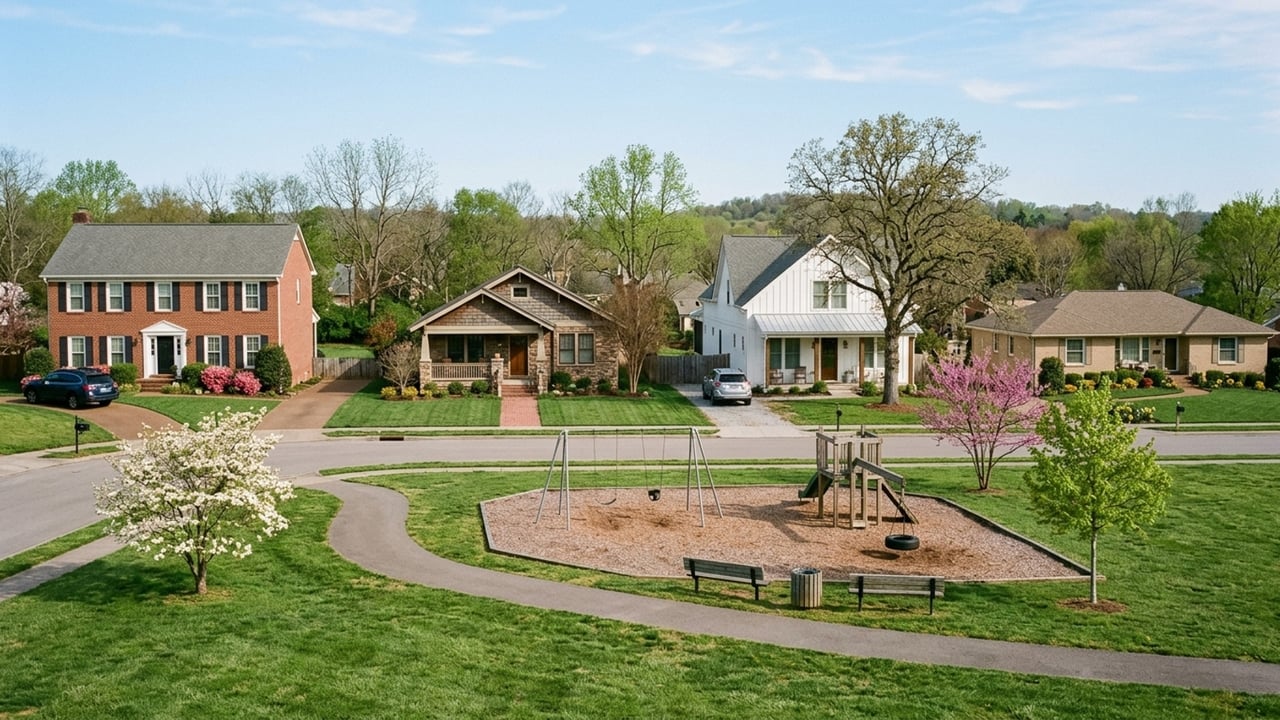
Day-to-day life here centers on community events and outdoor recreation. The city maintains green spaces and walking trails that connect different residential developments, and the downtown area hosts regular festivals and farmers markets throughout the year.
Weekends tend to look like Main Street, local boutiques, and independent restaurants. It's a livable rhythm for most people who choose it deliberately.
Housing will be your largest expense here - that's not a surprise given the median home price, but the full picture is worth laying out clearly. There are currently roughly 566 homes available, which gives buyers some real range across price points. Homes are spending an average of 49 days on the market before selling, and with about 3.6 months of supply, you'll have time to look around. That said, well-priced homes are still selling close to asking.
The median sale price for a home in Franklin is approximately $863,000. Properties are typically selling for about 98% of list price, so sellers are largely getting what they ask for - don't expect heavy negotiating room on a home that's been priced correctly.
Property taxes deserve a careful look. Tennessee assesses residential property at 25% of its appraised value, and Williamson County's base tax rate is $1.30 per $100 of assessed value. Your specific address determines the rest. Properties outside the Franklin Special School District pay a combined rate of $1.566 per $100 assessed value. Homes within the FSSD boundaries pay a higher combined rate of $2.2433 per $100.
That distinction matters - and the boundary lines don't always follow obvious geographic logic, which I'll come back to in the neighborhoods section.
If you're planning to rent while you get your bearings before buying, expect to pay a premium. The median rent for all property types in Franklin is currently around $2,200 per month, which runs about 16% higher than the national average.
Most apartment complexes are clustered near the Interstate 65 interchanges and along the Cool Springs commercial corridor. The amenities - pools, fitness centers - are typically part of what you're paying for at that price point.
Beyond housing, everyday expenses run slightly higher than the Tennessee average across groceries, healthcare, and transportation. It's consistent with what you'd expect from a premium suburb of a major metro.
One genuine financial offset: Tennessee doesn't have a state income tax on wages. Factor that in alongside property taxes and local sales taxes when you're running your monthly budget numbers.
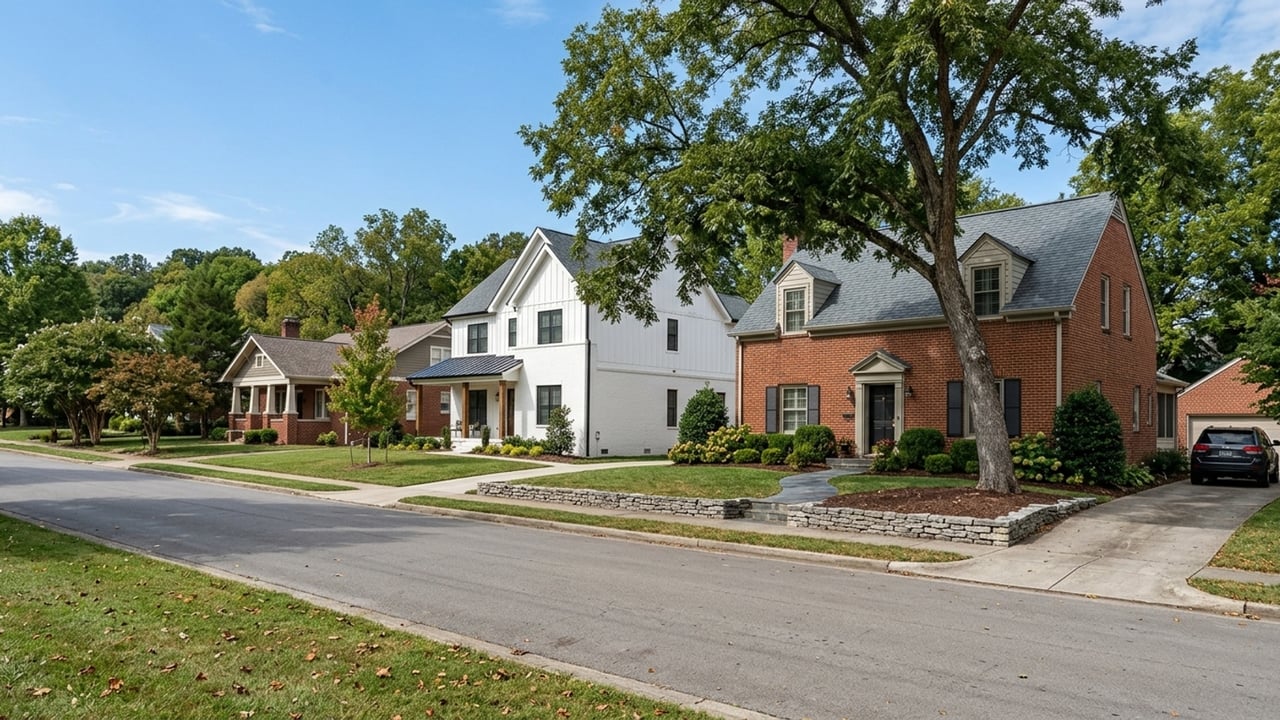
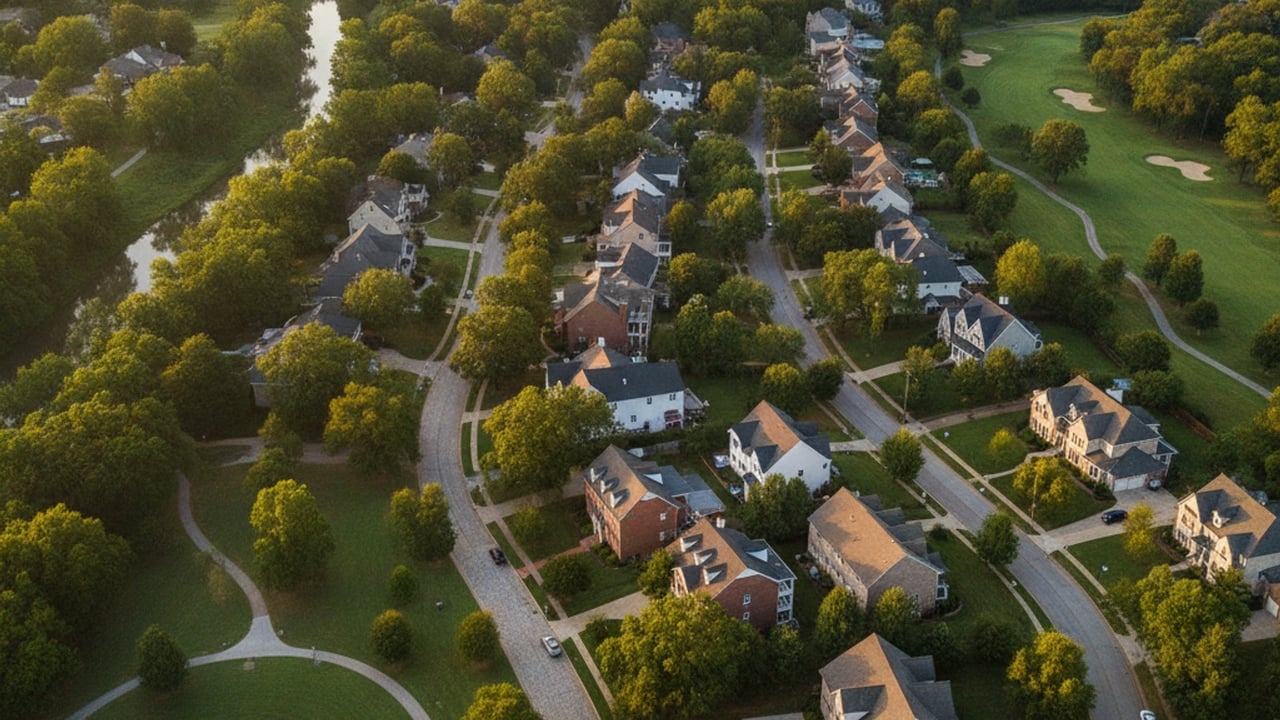
The city covers a wide range of housing styles - dense townhome communities, large estates, and a lot in between. The most active real estate markets are concentrated around the historic center and the newer developments to the east.
Map out your daily commute before you lock in on a neighborhood. Proximity to I-65 shortens the drive to Nashville considerably, while living further west tends to mean more acreage and a longer trip.
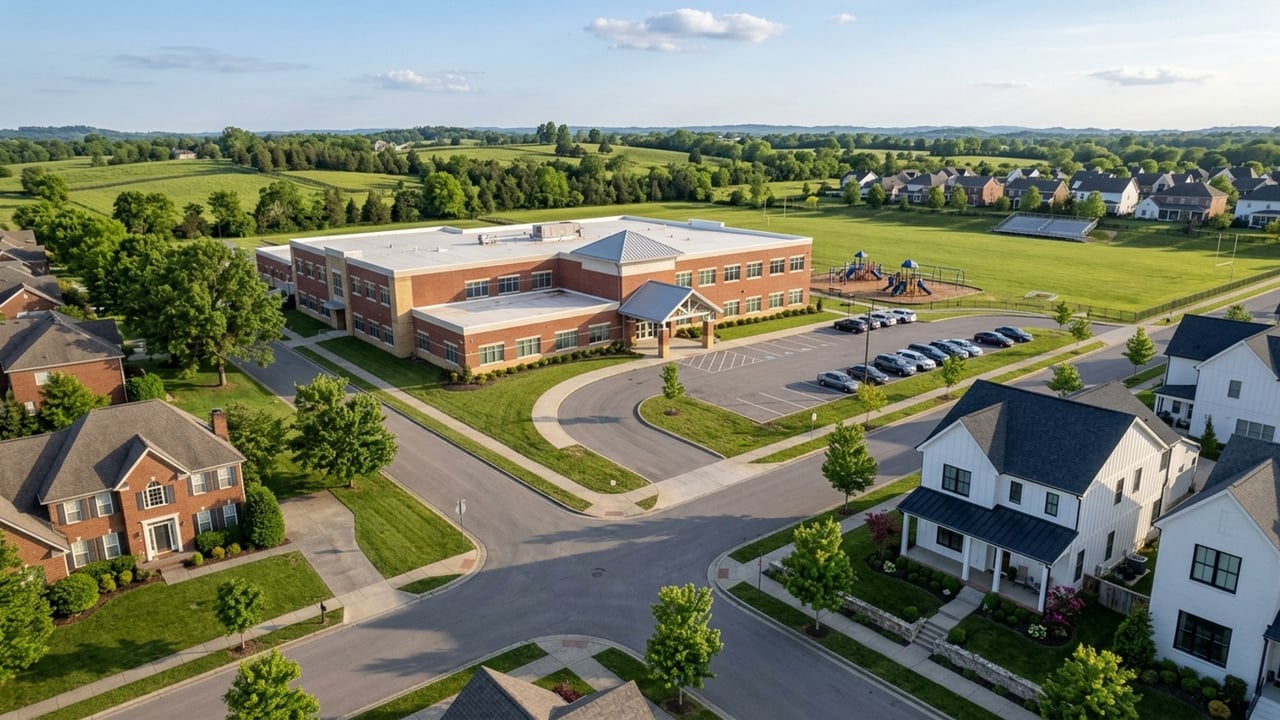
Franklin is primarily served by Williamson County Schools, but part of the city falls within the Franklin Special School District, which operates independently with its own zoning boundaries. Verify the specific school zoning for any property you're seriously considering.
The boundary lines don't always follow intuitive geographic features. Moving one street over can put you in a different district - and as I mentioned earlier, it also changes your property tax rate. That's not a detail to sort out after you've made an offer.
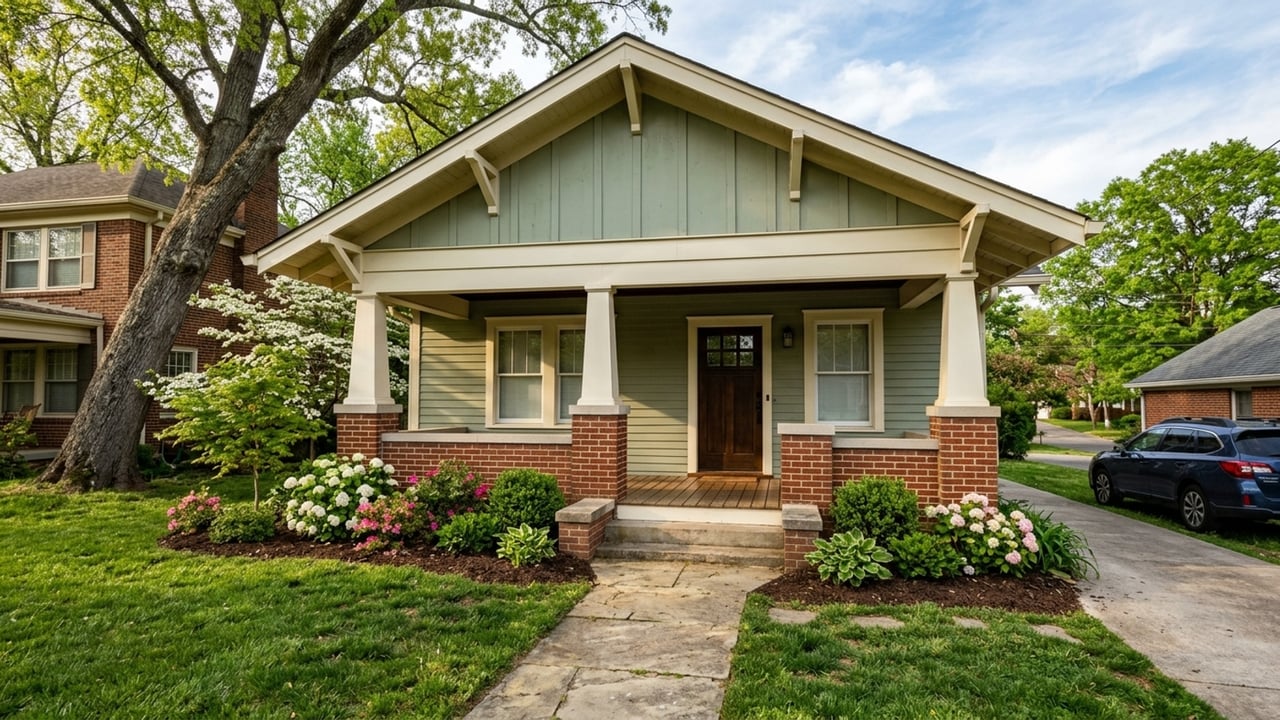
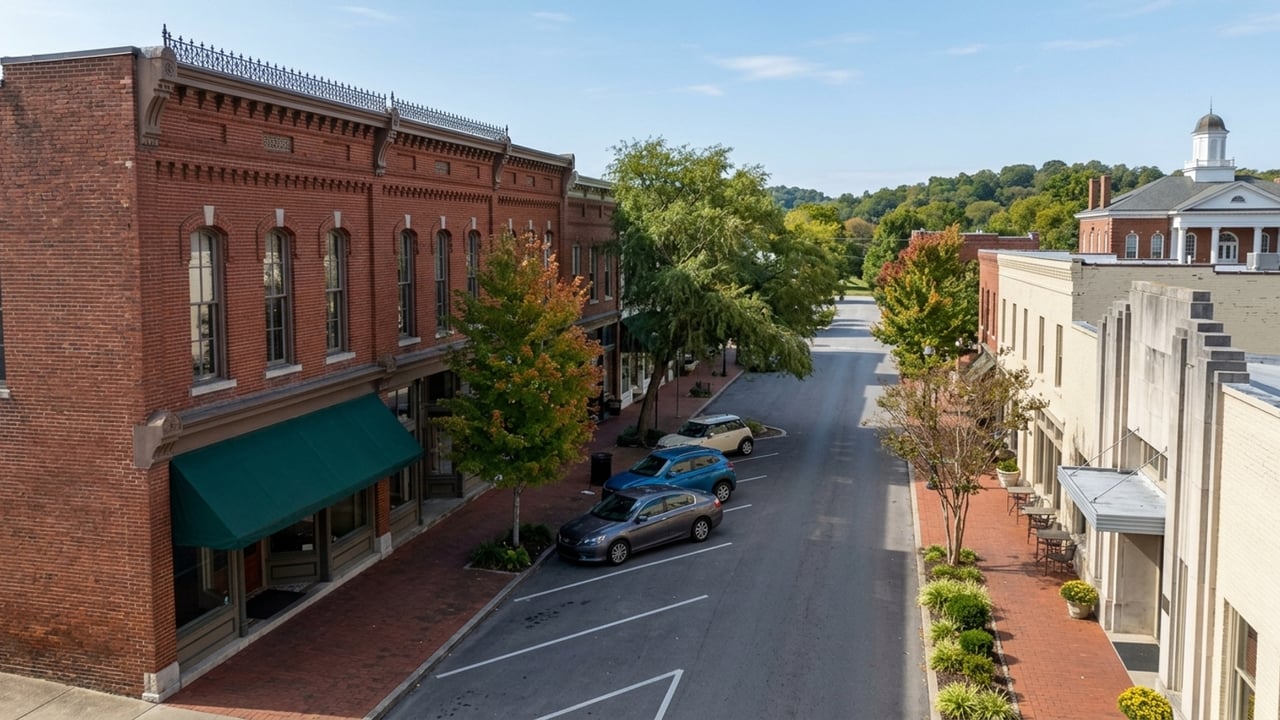
Downtown Franklin is genuinely walkable, with historic homes that date back to the 1800s. Inventory in that area is limited and tends to carry a premium for the location and historical significance.
If you're drawn to downtown, go in knowing there are stricter zoning and preservation guidelines to work with. Exterior modifications typically require approval from local historical commissions, so your ability to change the look of the property is constrained. For some buyers that's fine; for others it's a dealbreaker worth knowing about up front.
Franklin's commercial life divides pretty cleanly between the historic downtown and the modern Cool Springs area. They offer genuinely different experiences, and most residents end up using both depending on what they're after.
You don't need to drive to Nashville for a good dinner or a full day of shopping. The local amenities carry their own weight.
Main Street and its cross streets are lined with independent restaurants - casual southern cafes through to fine dining in historic buildings. The variety is real.
Parking downtown gets competitive during peak dinner hours and on weekends. The free public parking garages just off the main commercial strip are your best option when street parking is gone.
The downtown district hosts major street festivals throughout the year, including a Main Street Festival that draws vendors and visitors from across the region. Those events close the central roads to traffic, so it's worth keeping the schedule in mind if you're planning to be in the area.
For large-scale retail, Cool Springs Galleria is where residents go. National department stores, big-box retailers, and grocery options are all concentrated in that corridor.
A scouting trip is worth the investment before you start making offers. Franklin has lodging options that put you close to the neighborhoods you'll want to walk through, which matters more than it sounds.
Staying near the center of town gives you a realistic sense of local traffic patterns and daily rhythms. You can also run the commute to Nashville directly from your hotel - which tells you more than any map app will.
Boutique hotels and historic inns in downtown Franklin put you within walking distance of Main Street. If your primary interest is the historic district, staying there for a few nights gives you the most accurate read on what daily life feels like.
For standard lodging, national hotel chains along the I-65 corridor near Cool Springs provide quick highway access and make it easy to move between different residential areas during your property tours.
The city provides a balance of corporate employment hubs and preserved green spaces. Buyers often prioritize the area to secure a spot within the Williamson County Schools boundaries while remaining within a 45-minute drive of Nashville.
The city sits entirely within Williamson County. Because it functions as the county seat, local government services are centralized here, which impacts the specific property tax rates applied to different residential zones.
While real estate commands a premium, residents save money in other categories since Tennessee does not collect state income tax on wages. Groceries and healthcare run slightly above state averages, but the lack of income tax helps balance the overall monthly budget.
Franklin has its own municipal police and fire departments serving the growing population. For specific crime statistics, review local municipal data or contact the police department directly.
Buyers wanting acreage and privacy should look toward the western sections of the city. If a shorter commute is the priority, the subdivisions surrounding the Cool Springs commercial corridor offer immediate access to Interstate 65.
Residents spend Saturday mornings at the local farmers markets or walking the trails that connect various residential developments. Evening entertainment centers around the dining spots on Main Street and the community events held throughout the year.
Booking a room near the Cool Springs Galleria provides a central base for viewing newer suburban developments. If you plan to focus your search on preserved properties with stricter zoning, securing an inn closer to the center of town will better reflect that daily rhythm.
Both cities are located in Williamson County and offer easy access to the Interstate 65 corridor. Those researching the differences between Franklin and Brentwood will notice that Franklin maintains a preserved historic center, while its northern ZIP codes blend directly into Brentwood's residential neighborhoods.
Tennessee real estate tips and insights.
Real Estate
Bill Diebenow | October 6, 2026
Real Estate
Bill Diebenow | October 6, 2026
Real Estate
Bill Diebenow | October 6, 2026
Real Estate
Bill Diebenow | October 6, 2026
Real Estate
Bill Diebenow | October 6, 2026
Real Estate
Bill Diebenow | October 6, 2026
Bill's real estate experience spans residential and commercial transactions as an agent, buyer, seller, investor, tenant, landlord, and cross-county corporate relocation. Bill looks forward to understanding your needs, building your trust, and helping you successfully sell your existing home, find your new home, or add to your real estate portfolio.
Bill Diebenow
3990 Hillsboro Pike Suite 320 Nashville TN 37215