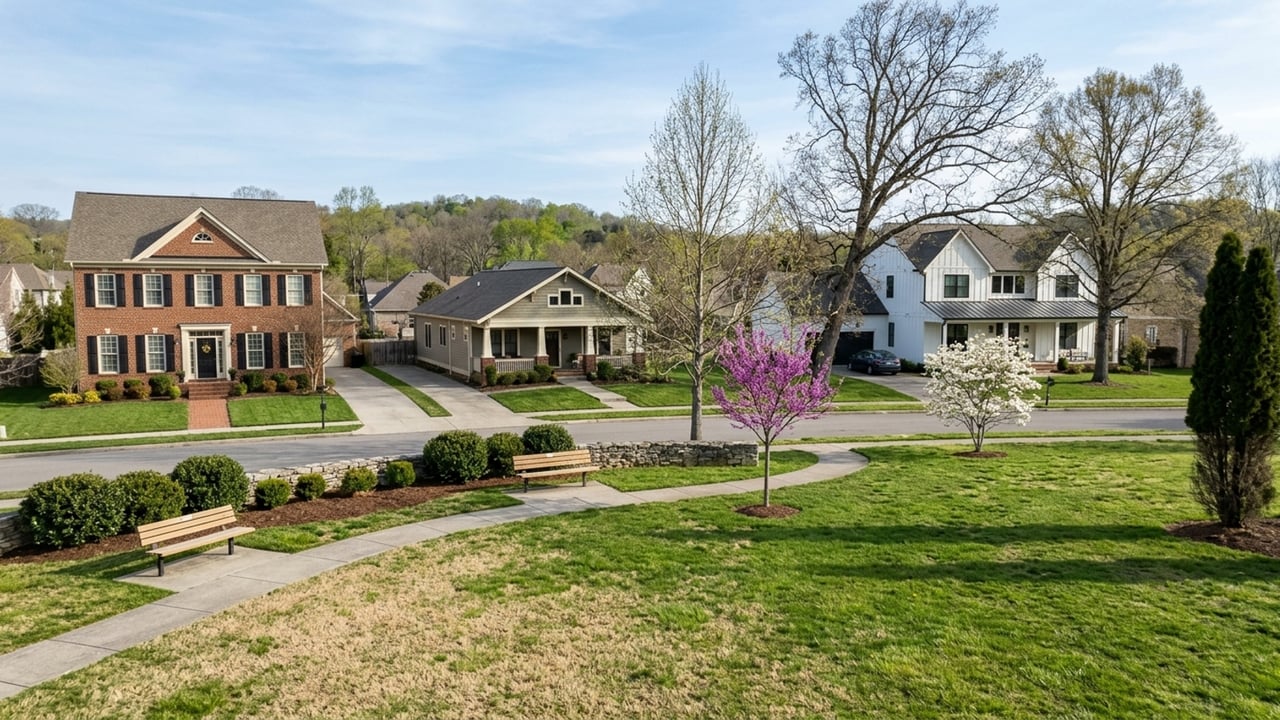
Property taxes in Franklin, TN: rates, examples, and how to pay (2026)
Home November 12, 2026
Home November 12, 2026
Franklin, TN property taxes are billed based on the Williamson County appraisal of your parcel, not the price you pay at closing. Tennessee doesn't automatically reassess a home's value when it sells, so the tax bill you inherit as a buyer reflects the county's last scheduled valuation.
Three possible taxing layers and the state's residential assessment ratio determine what you'll owe. Single-family homes in Franklin recently hit a median sale price of $969,613, which makes property tax a significant line item in your monthly housing costs.
Estimate a Franklin property tax bill from the parcel's Williamson County appraisal, not your offer. Take the appraised value, apply the residential assessment ratio, then apply the county rate plus the City of Franklin and Franklin Special School District rates where the address falls inside them. With single-family homes posting the largest year-over-year price gain, those owners carry the most reappraisal exposure; a condo is the lower-bill alternative, mainly because it's a smaller home.
This guide is for anyone buying or already owning a home in Franklin who needs to work out what the yearly property tax will be for a specific address and how it's likely to change.
Your property tax bill is set by the Williamson County appraisal on the parcel, not by your purchase price. Tennessee doesn't reappraise a home when it sells, so the bill a buyer inherits reflects the value set at the last countywide reappraisal. The Williamson County Trustee's official rate-history table shows the most recent countywide reappraisal took effect in 2025, following previous resets in 2021 and 2016. Williamson County operates on a four-year cycle, meaning the next scheduled reappraisal is anticipated in 2029, though the state Comptroller's schedule lists 2028.
The math starts with the residential assessment ratio. In Tennessee, residential property is assessed at 25% of its appraised value. Multiply the county's appraised value by 0.25 to get the assessed value, then multiply that assessed value by the combined tax rates to find the annual bill.
Because the bill ignores your purchase price, a listing's estimated taxes or a lender's quote can miss the mark in either direction. Pull the parcel's actual appraised value from the Williamson County Property Assessor before relying on any estimate. If that appraised value is far below the asking price, your bill will eventually jump at the next countywide reappraisal.
Every property owner in the area pays the base Williamson County rate, which the County Commission set at $1.30 per $100 of assessed value for tax year 2025. This was a reappraisal year, and the countywide base rate fell from $1.88 in 2024 to offset rising property values. If your home has a Franklin mailing address but sits outside the city limits, the county rate might be the only layer you pay.
Parcels inside the city limits add the City of Franklin rate. Following the recent reappraisal, the Board of Mayor and Aldermen approved a city rate of $0.296 for fiscal year 2026, replacing the $0.3261 rate from the prior year. Parcels that also fall inside the Franklin Special School District boundary pay an additional $0.5873 on each assessed hundred dollars.
The district's boundary doesn't perfectly match the city limits. Some Franklin addresses fall outside the school district taxing area and pay a combined rate of $1.596, while those inside pay a higher combined rate. Two homes selling for the exact same price can carry completely different tax bills depending on where those lines are drawn.
A ZIP code doesn't tell you which layers apply, so check the parcel record to confirm the taxing district rather than guessing from the street address. The special school district tax follows the district boundary, and you can verify school assignments through the district's own address lookup or by comparing local options when reviewing school district boundaries. Sales tax is handled entirely separately from property tax, which factors into your overall cost of living.
A home appraised at the recent all-homes median sale price of $863,089 provides a useful baseline. These are estimates using market medians as stand-ins; a real bill uses the exact appraisal recorded with the county.
The assessed value is $215,772. If this house sits inside the city limits and the special school district, applying the combined rate of roughly $2.1833 produces an estimated annual property tax bill of around $4,711.
A condo appraised at the recent median sale price of $435,955 is assessed at $108,989. Applying the same three taxing layers yields an estimated annual bill of about $2,379. That condo bill is roughly half the single-family estimate because the home is roughly half the size and price, not because condos get a different tax rate.
You can see this in the price per square foot, which runs close across property types: condos around $323 per square foot, single-family homes near $332. The trustee's actual bill governs what you owe, but running these estimates helps you compare the carrying costs of different home sizes before you commit.
Under Tennessee's certified tax rate law, local governments must recalculate the property tax rate after a reappraisal so that a countywide value increase doesn't automatically generate a revenue windfall. The new certified rate is designed to raise roughly the same total revenue as before. If a governing body wants to levy a rate above that revenue-neutral baseline, it must advertise its intent in the newspaper and hold a public hearing.
Because the rate resets to revenue-neutral, what changes your specific bill is how your home's value moved compared to the rest of the county.
Single-family home prices in Franklin rose 14.8% year over year, while townhouses gained 10.1%. If these trends hold until the next reappraisal, single-family owners would carry a growing share of the total tax levy, giving them the most reappraisal exposure. Townhouses are close behind.
Condos saw prices fall 6.5% year over year, though this figure rests on a thin sample of just 20 sales and one year doesn't predict the exact value at the next reappraisal date. Condos currently carry 12 months of supply on the market, which gives buyers room to negotiate seller credits that can help offset the first year's tax bill. You can track these shifting inventory levels when reviewing local housing market trends or compare layouts among different types of homes.
A brand-new home's current tax bill might reflect only the value of the vacant lot. When construction finishes mid-year, Williamson County can add a pick-up assessment for the new improvement, catching the property up to its finished value for the remainder of the year.
Budget based on the finished home's likely appraised value, not the lot-only bill shown on the initial paperwork at closing. Ask the builder or seller whether a pick-up assessment is pending, and ask the title company exactly how they plan to handle it on the settlement statement.
Tennessee doesn't use California-style Mello-Roos districts as a routine feature, but you should ask the title company whether any special assessment or improvement-district charge attaches to the parcel. Also ask the homeowners association what their current dues cover, since HOA fees are entirely separate from your county property tax bill.
Williamson County property tax bills are mailed in early October each year and are paid in arrears. Taxes are due from the first Monday in October through February 28 of the following year, meaning tax year 2026 bills are due by February 28, 2027. Taxes become delinquent on March 1, at which point 1.5% interest is added, with another 1.5% accruing on the first of each subsequent month.
At closing, the seller usually credits the buyer for the portion of the year the seller owned the home, because the buyer will be responsible for paying the full bill when it comes due. If you close mid-year on a condo with an estimated $2,379 annual bill, the seller would credit you roughly $1,189 at the closing table for their half of the year. Keep that credited money set aside for the impending tax bill rather than spending it on new furniture.
The City of Franklin doesn't bill its property taxes separately. City taxes are billed and collected by the Williamson County Trustee on the same consolidated bill as the county and special school district taxes. Confirm the exact proration figures with your title company before signing. Bill Diebenow can help you review the proration on your settlement statement to make sure the math is correct.
You can look up your parcel's appraised value through the Williamson County Property Assessor's website. To view or pay your actual bill, use the Williamson County Trustee's portal. Make sure you're on the Williamson County sites; the "Franklin County, Tennessee" trustee and rate pages belong to a completely different county in the southern part of the state.
If you disagree with your home's valuation, you can appeal the appraised value by scheduling an appointment with the Williamson County Board of Equalization. The Assessor's office advises calling during the first week of June to schedule a hearing with the five-member Board. Taxpayers can appeal further to the State Board of Equalization if they remain unsatisfied, and you should gather recent comparable sales close to the county's appraisal date before you file.
Tennessee offers a State Tax Relief program and Williamson County provides a County Tax Freeze for qualifying older adults and homeowners with disabilities. Eligibility limits for these programs change, so verify the current income caps with the Trustee's office before counting on either. You can read more about age-restricted living options when exploring retirement communities.
The specific taxing lines drawn around a property dictate your final carrying costs. Bill Diebenow can help you pull the parcel record for a home on your shortlist to verify these details:
If you want the lowest annual property tax bill on a Franklin home, start with condos. The median condo price is roughly half the all-homes median, so the assessed value and bill are roughly half too. The downside is that the price per square foot is nearly the same as a single-family home, so the saving comes from buying less house, and the current figures rest on only 20 sales.
If you want room to negotiate a seller credit that offsets the first year's tax bill, condos and then townhouses are worth a look. They sit about a month longer than single-family homes before selling, and condos carry by far the deepest supply in the market. What you give up is the standalone privacy of a detached home.
If you want the least exposure to a jump at the next reappraisal, look for homes whose current Williamson County appraisal sits closest to the price you'd pay. A revenue-neutral reset raises bills where values climbed fastest relative to the county, and single-family homes posted the largest yearly gain. If you want to pay only one taxing layer, look for Franklin-addressed parcels outside city limits and outside the special school district boundary. The catch is that city services and district boundaries differ there, so confirm on the parcel record what the address receives.
The combined Williamson County plus City of Franklin rate varies depending on which layers the address pays, but you can compare your total local rate to the statewide average effective rate published by the Tennessee Comptroller. Because each county has different appraisal ratios and reappraisal years, nominal rates aren't always a direct match. Check the specific taxing layers for your address rather than relying on a statewide average.
A house in Franklin appraised by the county at exactly $400,000 is assessed at 25%, giving an assessed value of $100,000. The 2025 Williamson County base rate of $1.30 per $100 of assessed value yields a base county tax of $1,300. Adding the fiscal year 2026 City of Franklin rate ($0.296) and the 2025 Franklin Special School District rate ($0.5873) brings the total combined rate to roughly $2.1833, resulting in an estimated bill of $2,183. The parcel's appraised value, not the purchase price, is what gets taxed.
Yes, unless they qualify for specific relief programs. Under the State of Tennessee Property Tax Relief Program for tax year 2026, homeowners age 65 or older qualify if their combined 2025 income does not exceed $38,470. Williamson County also offers a Property Tax Freeze program that locks in the county tax amount for qualifying seniors, as well as a Broad Base Tax Relief Program with separate income limits. You must reapply annually through the Williamson County Trustee's office, and limits change yearly, so verify the current caps before applying.
You can find the highest- and lowest-rate counties, along with Williamson County's exact ranking, in the Tennessee Comptroller's annual property tax rate reports. Nominal rates aren't perfectly comparable across counties without factoring in each county's residential assessment ratio and its specific reappraisal year.
Tennessee's residential assessment ratio keeps the taxable amount lower than in states that assess at the full appraised value. The state also relies on sales tax to fund government services rather than property tax. You can see the combined Franklin and Williamson County sales tax breakdown when researching the local cost of living.
No, Franklin is the county seat of Williamson County, Tennessee. Its property taxes are handled through the Williamson County Assessor and Trustee. Franklin County is a completely separate county in Tennessee with its own trustee, so Franklin County rate pages and calculators don't apply to homes in Franklin, TN.
No, Franklin is located in Williamson County, not Metro Nashville-Davidson County, so Metro's tax rate doesn't apply. Franklin homeowners pay only the Williamson County rate and any applicable city and school district layers. You can compare the differences between the two areas when weighing Franklin against Nashville.
Tennessee's homestead exemption protects a portion of your home's equity from creditors, but it doesn't reduce your property tax bill. The primary tax-reducing options in Franklin are the state relief program and the county tax freeze for qualifying seniors and disabled veterans. Ask the Williamson County Trustee which specific programs your parcel might qualify for.
Tennessee real estate tips and insights.
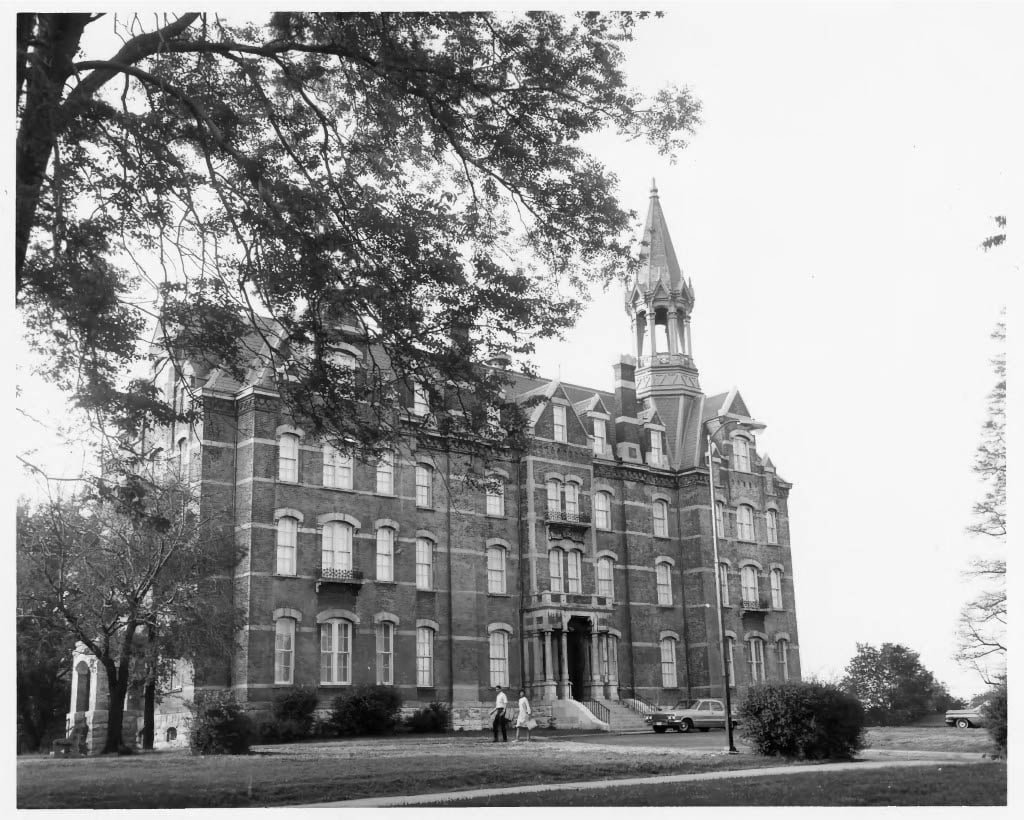
Middle TN
Bill Diebenow | November 12, 2026
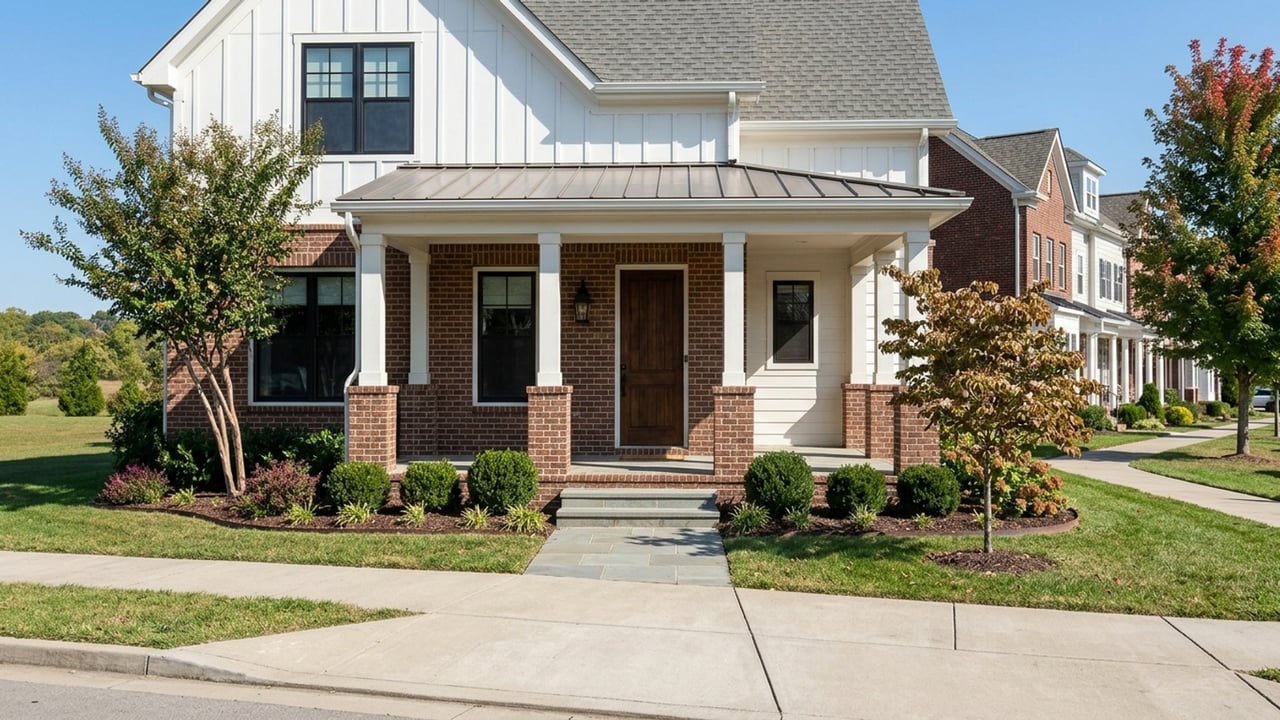
Pricing
Bill Diebenow | November 12, 2026
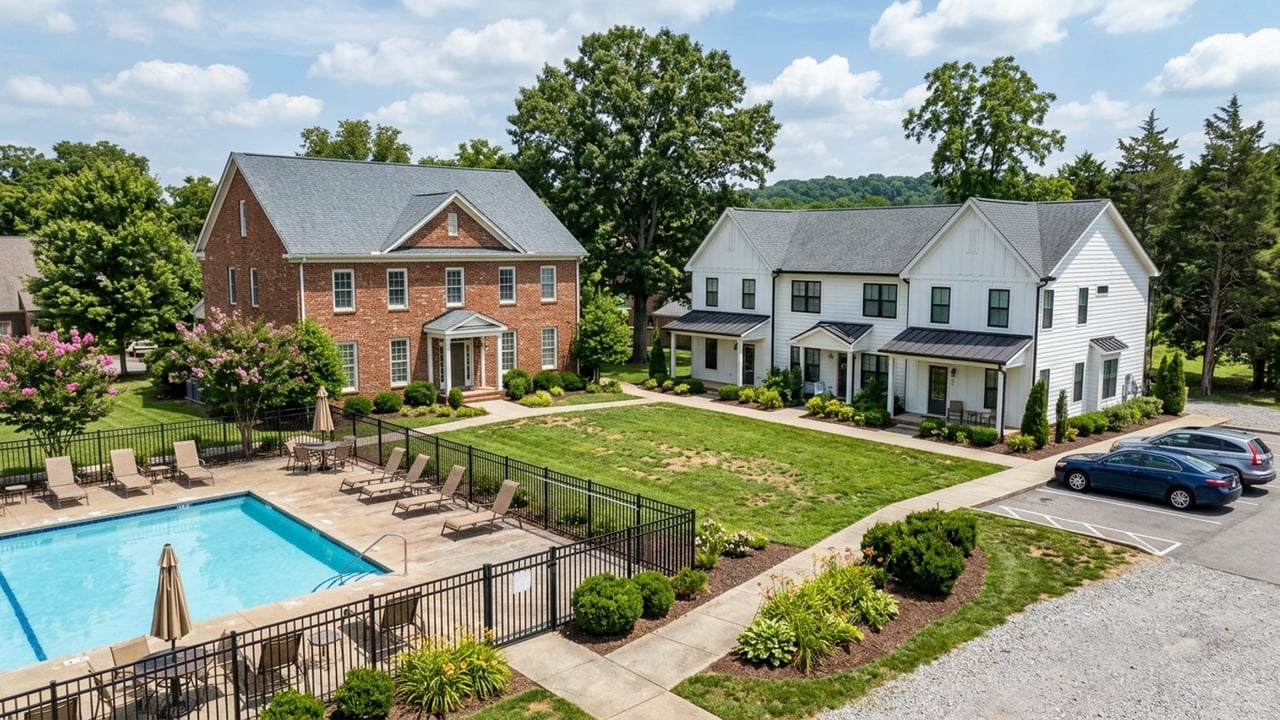
Home
Bill Diebenow | November 12, 2026
Home
Bill Diebenow | November 12, 2026
Home
Bill Diebenow | November 12, 2026
Search
Bill Diebenow | November 12, 2026
Bill's real estate experience spans residential and commercial transactions as an agent, buyer, seller, investor, tenant, landlord, and cross-county corporate relocation. Bill looks forward to understanding your needs, building your trust, and helping you successfully sell your existing home, find your new home, or add to your real estate portfolio.
Bill Diebenow
3990 Hillsboro Pike Suite 320 Nashville TN 37215