A Year-Round Guide to Weather Patterns in Franklin, TN
Real Estate October 6, 2026
Real Estate October 6, 2026
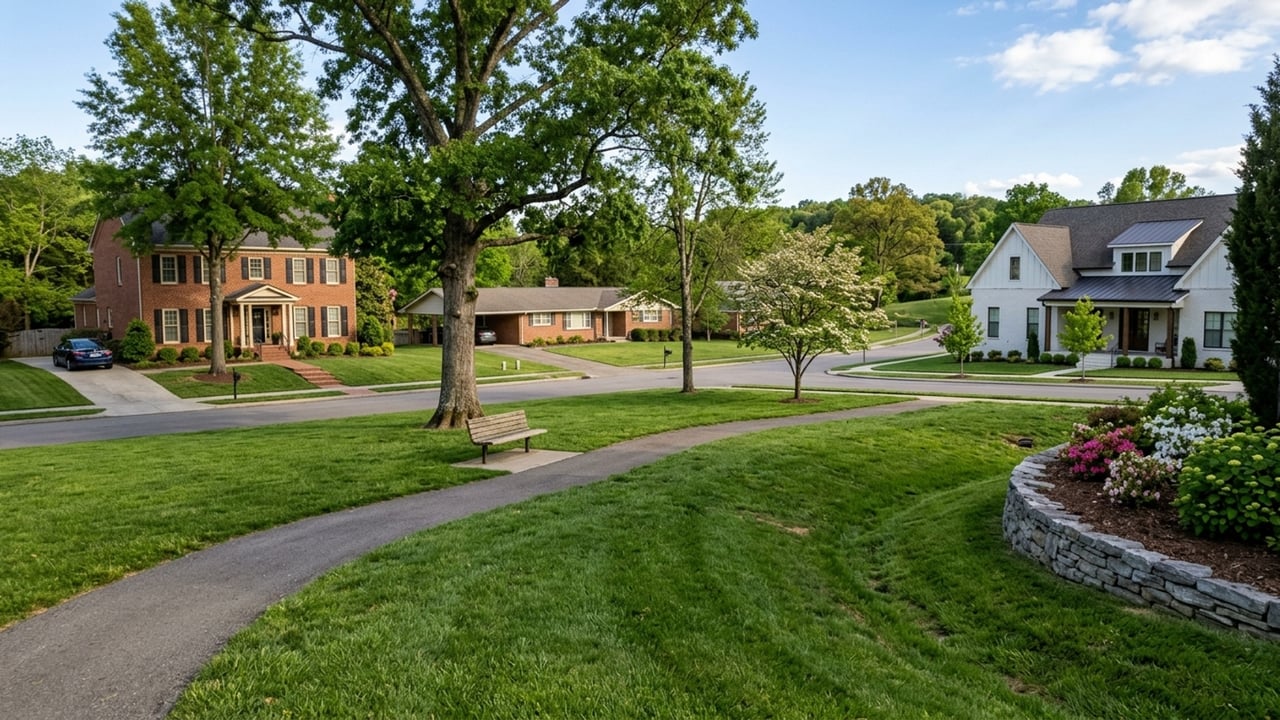
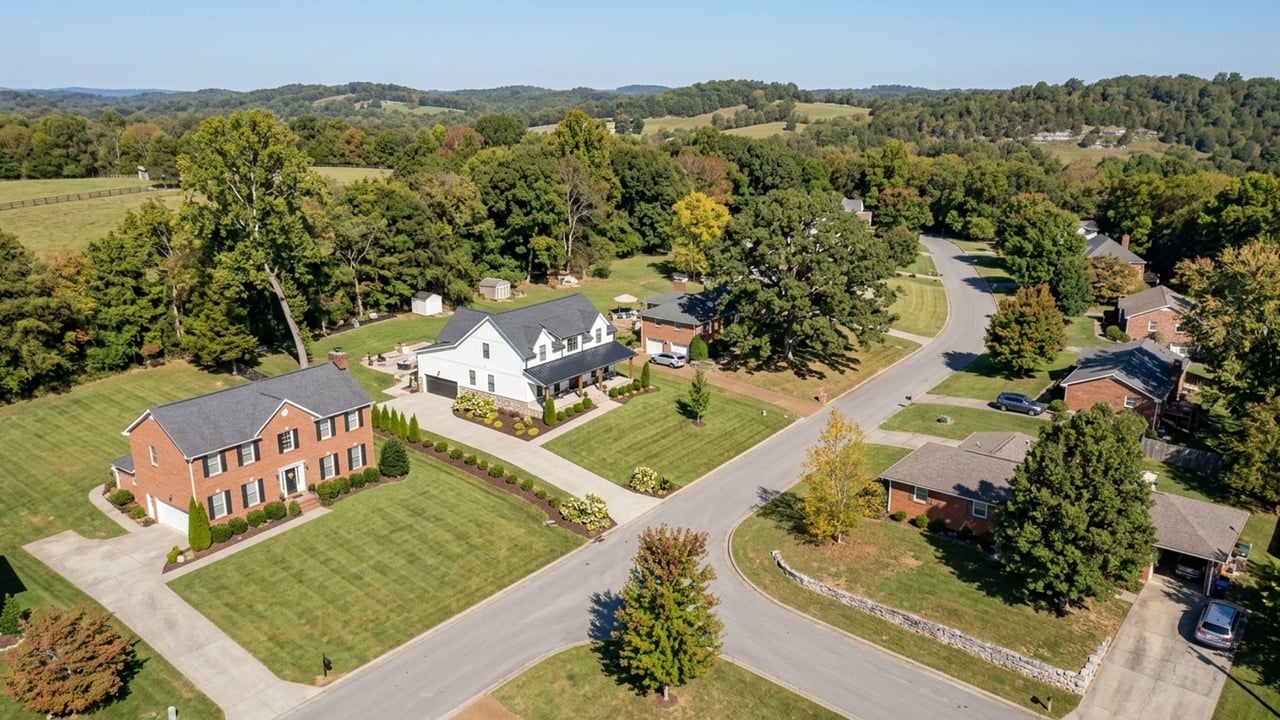
Franklin, TN sits in the rolling hills of Middle Tennessee, and the climate here is something buyers don't always think to ask about until moving day arrives. You get warm sunshine, defined seasons, and more rain than most people expect - it's a genuinely distinct mix that factors into the pros and cons of living in Franklin, TN, and it shapes daily life more than you might think.
The housing market moves at a steady pace, with homes spending roughly 49 days on the market and median sale prices sitting around $862,929. Whether you're touring properties in July or scheduling a moving truck for January, knowing what the weather will do helps you plan a smoother transition.
Franklin sits at an elevation of about 645 feet above sea level, placing it squarely in the humid subtropical climate zone. Under the Köppen-Geiger classification, that's a Cfa climate - warm, humid summers, mild winters, and no distinct dry season to give you a break from the rain.
What that means practically is you get all four seasons without the prolonged deep freezes you'd deal with further north. It also means keep an umbrella in the car. Year-round.
Moisture is a constant here, especially from late spring through early fall. That combination of heat and humidity is exactly what produces the lush green landscapes Middle Tennessee is known for, though it does have a cost.
Homeowners rely on capable HVAC systems and dehumidifiers to stay comfortable during peak summer months. When you're touring listings, pay attention to attic ventilation and crawl space moisture control - those details matter more in this climate than in drier parts of the country.
You'll swap out your wardrobe a few times a year here, and mean that literally. The transitions between seasons are real - noticeable shifts in temperature, foliage, and daylight that give the area a dynamic feel without veering into extremes.
Spring and fall are the most comfortable stretches to be outside. Summer and winter represent the poles, though neither reaches the severe peaks you'd find in other regions of the country.
Spring arrives early - usually by March - with blooming trees and frequent rain showers. Temperatures warm up quickly, and this is a popular window for buyers to work through the roughly 566 homes currently sitting in local inventory.
Summer takes hold in June and holds on well into September. July is the hottest month, with average highs around 89 to 90 degrees Fahrenheit and lows that rarely drop below 68 degrees. Central air conditioning earns its keep during these months.
Fall is a genuine relief after the summer humidity. Crisp air and changing leaves peak in late October, and November daytime highs drop into the low 60s - good conditions for outdoor maintenance before winter sets in.
Winters are mild by most standards. January is the coldest month, with average highs around 47 to 48 degrees and nighttime lows between 27 and 31 degrees. It's cold, but it's manageable.
The annual average high in Franklin runs about 70 degrees, while the average low sits near 47 degrees. Day-to-day weather fluctuates, but the historical baseline gives you a solid picture of what to expect when you're planning a visit or scheduling a move.
The table below lays out the typical highs and lows throughout the year.
These figures reflect standard climate norms based on historical tracking. Heat waves and cold snaps happen - they can push daily temperatures outside these typical ranges, but the table gives you a reliable starting point.
Month | Average High (°F) | Average Low (°F) |
|---|---|---|
January | 47–48 | 27–31 |
February | 52–53 | 30–33 |
March | 60–62 | 37–40 |
April | 70–71 | 45–46 |
May | 78–79 | 55 |
June | 85–86 | 63–64 |
July | 89–90 | 67–70 |
August | 88–90 | 66–69 |
September | 82–84 | 59–62 |
October | 71–73 | 47–50 |
November | 60–62 | 38–41 |
December | 51–52 | 30–33 |
If you're relocating from a drier climate, the rainfall here will catch your attention. Franklin averages roughly 53 to 56 inches of rain per year - well above the national average of about 38 inches - and that moisture is spread fairly evenly across all twelve months, with spring bringing the heaviest downpours.
The upside is a heavy tree canopy and genuinely green surroundings. The practical side is that gutters and drainage systems need regular attention. It's one of those things worth checking carefully during a home inspection.
Snow is a minor character in Franklin's weather story. Annual snowfall averages just 2 to 4.6 inches, far below the national average of 28 inches, and most of what falls melts within a day or two as daytime temperatures climb back above freezing.
That said, the area isn't set up for heavy snow removal, so even a light dusting can temporarily slow local traffic. Don't expect to need a snowblower, but do keep an eye on the forecast if you're planning a winter closing.
Franklin gets its share of intense weather, particularly during spring and the late fall transition. This is the part of the conversation buyers don't always love, but it's worth having before you're under contract.
Heavy thunderstorms are common - lightning, strong winds, and occasional localized flooding come with the territory. Early spring snowmelt combined with heavy rain can test drainage around properties near creeks or low-lying areas, which is exactly why grading around a home's foundation deserves a close look during any inspection.
Franklin carries a moderate wind factor risk that covers severe thunderstorms, tropical storm remnants, and tornadoes. The area has a documented history of significant tornado activity - an F4 storm in 1974 caused five fatalities, and another F4 on Christmas Eve in 1988 resulted in $27.5 million in damages. That history is part of why many residents keep weather radios and have a specific plan ready for severe storm warnings.
When you're touring homes, you may notice some properties feature reinforced storm shelters or basements. That's not an accident.
With local homes currently selling for nearly 98.3 percent of their list price, buyers are working in a competitive market. Timing your move involves balancing that competition against moving logistics - and the weather plays a bigger role than people usually anticipate.
Spring and fall offer the most comfortable conditions for moving day, avoiding July's heat and January's unpredictable cold rain. Those seasons also happen to align with the busiest periods in the local real estate market.
If a summer move is unavoidable, schedule the heavy work for early morning before the midday heat and humidity settle in. Make sure utilities are turned on at your new property well ahead of time - you want the air conditioning running before you walk through the door.
Winter moves are generally easier to book with local companies because demand is lower. Just watch the forecast closely. Freezing rain is the real concern, not snow, and it can make driveways and loading ramps genuinely slippery.
Franklin has a humid subtropical climate with four distinct seasons. Summers run hot and humid, with highs around 90 degrees. Winters are mild, with average lows near 27 to 31 degrees in January. Rain falls consistently throughout the year, totaling 53 to 56 inches annually.
It does snow, but don't expect much. Franklin averages just 2 to 4.6 inches per year - well below the national average of 28 inches - and most of it melts quickly as daytime temperatures climb back above freezing.
Yes, particularly from late spring through early fall. Franklin falls under the Cfa climate zone, which means no distinct dry season and consistent moisture in the air. During peak summer, that humidity makes the temperature feel warmer than the thermometer reads.
The area carries a moderate risk for severe winds and tornadoes. Franklin has experienced significant storms historically, including F4 tornadoes in both 1974 and 1988. Having a severe weather plan in place - especially heading into spring - is a reasonable precaution.
Spring and fall are the most comfortable options - mild temperatures, lower humidity, and more predictable conditions. Moving in July or August means highs near 90 degrees, while January exposes you to the coldest average lows of the year.
That's a personal call. Given the moderate tornado risk and the area's history - including the 1988 F4 storm - some buyers do prioritize properties with reinforced shelters or basements. If severe weather preparedness matters to you, it's worth adding to your must-have list before you start touring.
Since both cities sit in the same humid subtropical climate zone of Middle Tennessee, they experience identical weather patterns and seasonal shifts. Buyers weighing the differences between Franklin and Brentwood will find the same mild winters and hot, humid summers in either location.
Tennessee real estate tips and insights.

Real Estate
Bill Diebenow | October 6, 2026
Real Estate
Bill Diebenow | October 6, 2026
Real Estate
Bill Diebenow | October 6, 2026
Real Estate
Bill Diebenow | October 6, 2026
Bill Diebenow | October 6, 2026
Real Estate
Bill Diebenow | October 6, 2026
Bill's real estate experience spans residential and commercial transactions as an agent, buyer, seller, investor, tenant, landlord, and cross-county corporate relocation. Bill looks forward to understanding your needs, building your trust, and helping you successfully sell your existing home, find your new home, or add to your real estate portfolio.

Bill Diebenow
3990 Hillsboro Pike Suite 320 Nashville TN 37215