Thinking about selling in 12 South and wondering what your home would actually list for? You’re not alone. Pricing is the decision that shapes everything else, from days on market to your final proceeds. With a thoughtful Comparative Market Analysis (CMA), you can see how buyers will view your home and where your price should land. Here’s how CMAs work in 12 South, what really moves value, and how to prepare for a strong launch. Let’s dive in.
What a CMA does for 12 South sellers
A CMA is an agent-prepared pricing analysis that compares your home to similar properties that are sold, pending, or actively listed right now. The goal is to estimate a competitive list price and map a pricing strategy that fits your timeline and objectives.
A strong CMA will:
- Set a realistic price range and recommended list price.
- Outline how timing and marketing can influence results.
- Flag features, updates, or repairs that could change buyer perception.
Think of it as a market-driven guide tailored to your block, your home’s condition, and current buyer demand in 12 South.
Sold, pending, and active comps explained
A complete CMA uses all three because each tells a different story about the market.
Sold comps: What buyers actually paid
Sold comps anchor your value. In an active market, focus on closings from the last 3 to 6 months. If inventory is thin, expand to 6 to 12 months and weigh older sales less. Look for homes close by with similar size, bed/bath count, lot, and finish level.
Pending comps: Today’s market momentum
Pending sales show what buyers are accepting right now. You won’t see the final price yet, but pendings help you read direction. In shifting markets, these can signal whether demand is pushing prices up or pulling them down.
Active comps: Your current competition
Active listings are what buyers are scrolling past today. They help you position your price and marketing. Keep in mind some list prices are testing the market, so treat actives as context rather than value proof.
How to pick the right comps in 12 South
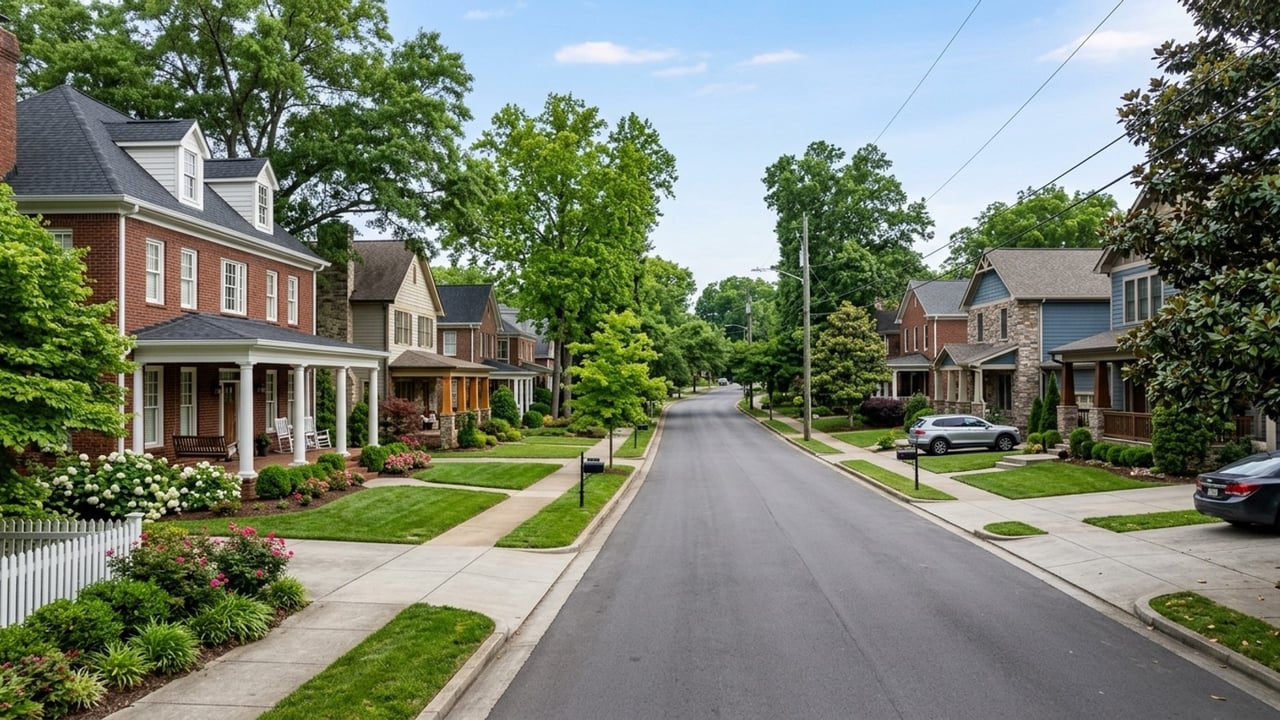
12 South has real street-to-street variation, so selection matters.
- Geography: Start with your block and the few blocks around you. Proximity to the 12th Avenue S retail corridor and major arterials can affect price.
- Timeframe: Prioritize the most recent closings. Weigh sales within 30 to 90 days higher than older ones.
- Physical similarity: Compare like with like. Historic bungalows and new infill homes draw different buyers and price differently.
- Condition: Recent, well-executed renovations can shift value. Adjust when comparing move-in ready homes to those needing work.
12 South factors that move price
Value here is hyper-local. Small details can make a big difference.
- Micro-location: Distance to 12th Avenue S shopping and dining, parks, and quieter side streets can all sway pricing.
- Architecture and size: Historic bungalows, craftsman homes, and newer infill each market differently. Finished square footage, bed/bath count, and usable outdoor space matter.
- Renovations and permits: Updated kitchens and baths, major systems (roof, HVAC), and permitted additions can add value. Unpermitted work may require adjustments.
- Parking and storage: Off-street parking, driveways, and garages are valuable in walkable areas with limited street parking.
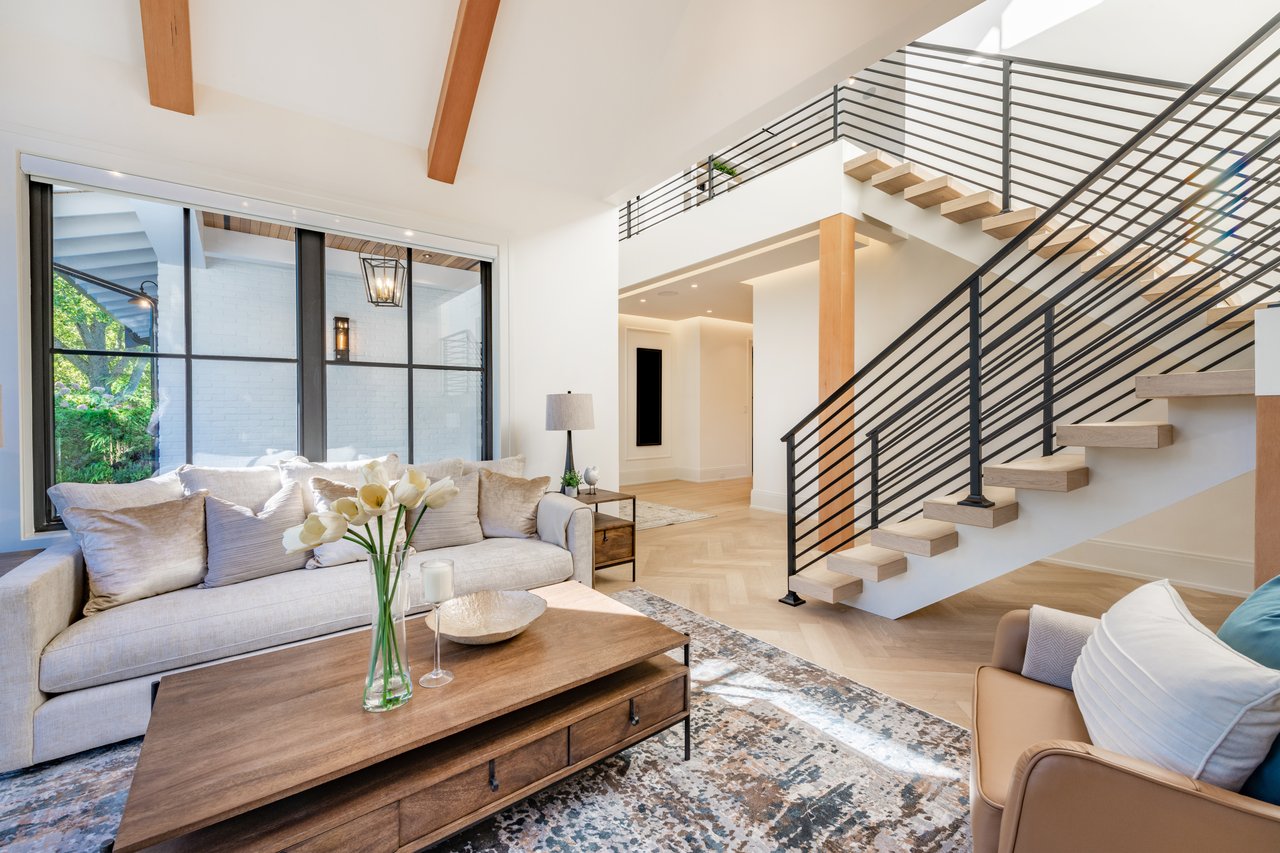
- Design and presentation: Staging, photography, and cohesive finishes shape buyer perception and can reduce days on market.
How agents make adjustments
Your agent starts with the closest, most similar sold comps. From there, they adjust for differences like square footage, extra baths, lot size, condition, garage, age, and date of sale. They often present a value range based on low, mid, and high comparables, so you can pick a pricing strategy with eyes wide open.
CMA vs appraisal: What’s the difference?
Both estimate value, but they serve different purposes and follow different rules.
- Purpose: A CMA guides your list price and marketing strategy. An appraisal is a formal valuation used by a lender in a financed purchase.
- Methods: A CMA blends recent solds with pending and active context plus local judgment. Appraisers rely on closed sales and standardized adjustments.
- Outcome: A CMA recommends a pricing path. An appraisal provides an opinion of value for a loan. If an appraisal comes in low, it can affect the contract.
- Timing and cost: A CMA is typically free as part of an agent consultation. An appraisal is paid for and occurs during escrow on a financed deal.
Use the CMA to set your strategy and prep. Expect the appraisal later and have documentation ready for improvements and permits.
What to provide when you request a CMA
Help your agent get it right the first time by sharing:
- Property basics: Full address, finished square footage, beds/baths, lot size, parking.
- Improvements and permits: Dates, receipts, and scope for kitchen/bath remodels, roofs, HVAC, windows, and additions.
- Known issues: Deferred maintenance, water intrusion, foundation, or any unpermitted work.
- Documents: Surveys, plat, HOA info (if applicable), recent tax assessments.
- Visuals: Interior and exterior photos, floor plan, and current staging status.
- Goals and timeline: Ideal list date, pricing goals, and flexibility on contingencies.
Prep now to strengthen your price
A few targeted steps can lift your list price or shorten your timeline.
- Prioritize high-ROI fixes: Safety items and major systems first, then fresh paint and flooring where it counts.
- Stage for lifestyle: 12 South buyers respond to clean design, outdoor living, and walkable convenience. Professional staging and photos help.
- Gather records: Organized permits, receipts, and repair documentation build confidence with buyers and appraisers.
- Consider a pre-list check: A pre-inspection or repair estimates can reduce surprises during buyer inspections.
Pricing strategies in 12 South
Choose the path that best matches your goals and current demand.
- Slightly below market: Can spark strong traffic and multiple offers. May not be ideal if demand is soft.
- At market: Targets realistic offers and balanced days on market.
- Above market: Tests the ceiling but can lead to longer days on market and price reductions if buyers resist.
Positioning matters here. Premium presentation and well-timed launch can support stronger pricing.
Timing your sale
Spring often brings more buyers, but the best time depends on current local inventory and demand in 12 South. Your agent should review recent days on market, list-to-sale ratios, and upcoming competition before you set a date.
Avoid common pitfalls
Keep your plan grounded in the way buyers shop 12 South.
- Relying on automated estimates without local nuance.
- Mixing dissimilar comps, like historic bungalows vs new infill homes.
- Skipping documentation for permitted work and upgrades.
- Pricing from emotion instead of market evidence.
Smart questions to ask about your CMA
Use these to clarify the logic behind your price.
- Which sold comps did you use and why? How close are they to my home, and how similar are size and condition?
- How did you adjust for renovations and finish level vs my home?
- What list price and pricing strategy do you recommend, and why now?
- What active and pending listings will I be competing with at launch?
- Which market indicators are most important for 12 South this season?
Ready to price your 12 South home?
If you’re planning to sell in the next 6 to 12 months, now is the time to request a neighborhood-specific CMA. You’ll get a clear price range, an outline of strategic options, and a prep plan shaped by 12 South’s hyper-local dynamics. With professional staging, photography, and Compass programs such as Concierge and Private Exclusives, you can launch with confidence and target top-market results. Reach out to Bill Diebenow to request a home valuation and a tailored plan for your timeline.
FAQs
What is a CMA for a 12 South home?
- A CMA compares your home to recent sold, pending, and active listings nearby to estimate a competitive list price and strategy for the current market.
How many comps should I expect in a CMA?
- Most CMAs include 3 to 6 recent sold comps plus a selection of active and pending listings for context on competition and momentum.
How recent should sold comps be in 12 South?
- Aim for 3 to 6 months when possible; expand up to 12 months if inventory is limited and weigh older sales less.
Will a CMA match the lender’s appraisal?
- Not always. Appraisals rely on closed sales and conservative standards. Good documentation of permitted work and improvements helps support value.
What should I share to get an accurate CMA?
- Provide basic specs, update history with permits and receipts, known issues, surveys and tax cards, photos, floor plan, and your preferred timing and goals.
Which upgrades influence value most in 12 South?
- Recent kitchen and bath updates, major system replacements, permitted additions, parking solutions, and well-presented outdoor living often have the biggest impact.