Top Things to Do in Franklin, TN: A 2026 Local Guide
Real Estate October 6, 2026
Real Estate October 6, 2026
People searching for things to do in Franklin, TN figure out pretty quickly that this Williamson County seat is more than a suburb with good highway access. It sits just south of the Nashville metro area, and it carries real historical weight alongside its modern dining and retail. Many visitors eventually weigh the pros and cons of living in Franklin, TN for themselves. Buyers looking at the median home sale price - currently around $863,000 - tend to ask the same follow-up question: what does the lifestyle look like?
Whether you're here for a weekend or you're evaluating neighborhoods, there's a genuine range of things to do. Civil War sites, walkable downtown streets, quiet greenways. This guide lays out the top attractions and activities across the city for this year.
Franklin is the county seat of Williamson County and a major principal city within the Nashville-Davidson–Murfreesboro–Franklin Metropolitan Statistical Area. Start there, because the geography matters when you're planning a day out - the historical core, the commercial district, and the outdoor spaces each occupy their own part of the city.
The housing market moves at a steady pace here, with homes spending roughly 49 days on the market before selling. That consistent demand reflects what people find once they start spending time in the city. You can easily burn an entire morning at the historical sites before you've even thought about lunch.
The Franklin Battlefield holds National Historic Landmark status and preserves the grounds of the Civil War Battle of Franklin. Guided tours and educational exhibits are available, and you can walk the fields at your own pace.
Within that zone, the Carter House stood at the center of the Union position during the battle and still shows hundreds of bullet holes. Nearby, the Carnton Plantation offers a different lens on the same conflict and era. Interior tours at both locations require a ticket, though visitors can often walk portions of the grounds without one.
Most people drive. The city connects directly to the broader Nashville metro area by highway, and getting between the historical sites and the commercial districts requires a car.
Parking downtown is generally straightforward - there are several free public garages near the commercial streets. The battlefield sites have their own dedicated lots. The layout makes it easy to shift from a morning of historical tours to an afternoon of shopping without much friction.
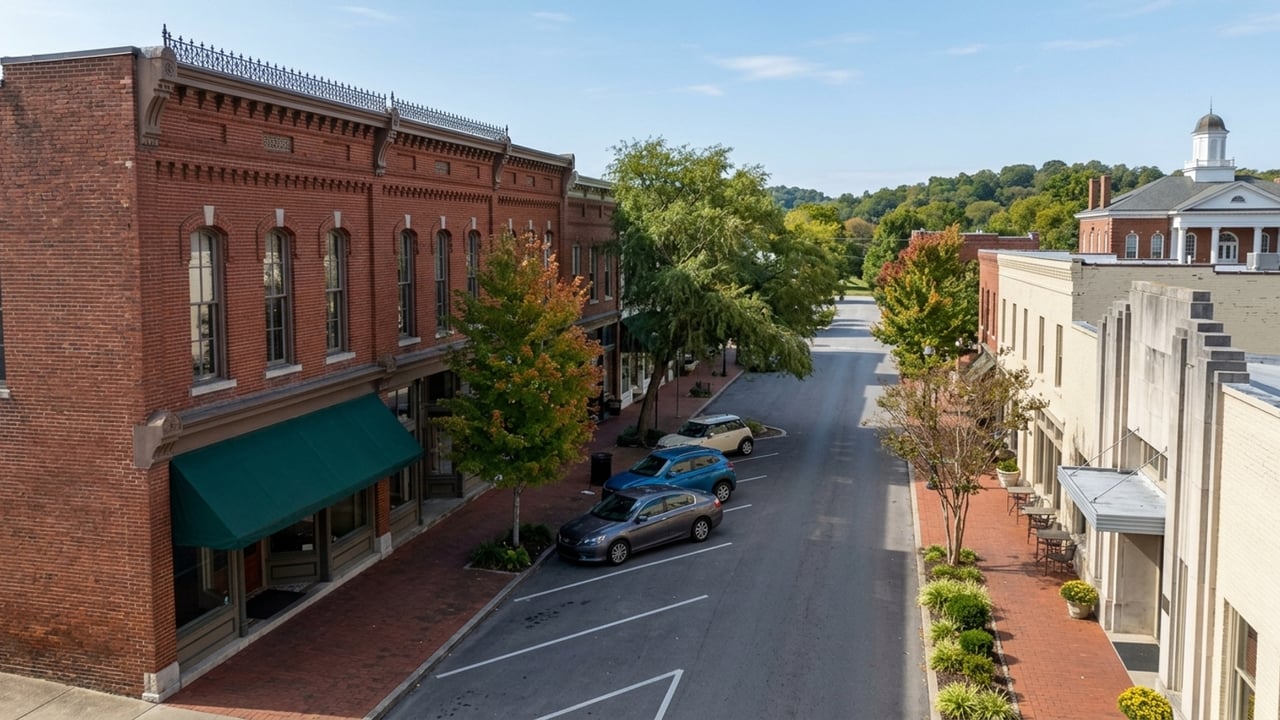
The downtown district is blocks of preserved architecture filled with modern businesses. It draws tourists and local residents alike, and the sidewalks along the main thoroughfares mean you can park once and cover a lot of ground on foot.
The local market reflects that appeal - homes here are selling for about 98.3% of their list price, which tells you buyers aren't negotiating much. A walkable, active downtown is part of what they're paying for. You'll find a dense concentration of retail and food packed into just a few square blocks.
Dozens of independent boutiques operate downtown, selling clothing, home goods, and local art. Antique dealers sit next to modern fashion retailers, often in the same historic buildings they've occupied for decades.
Get off the main commercial blocks and the side streets open up - specialty bookstores, gift shops, craft supply stores. Wear comfortable shoes. The brick sidewalks and continuous storefronts make long afternoons of walking an easy habit.
The restaurant scene runs from casual coffee shops to upscale dining rooms, with traditional Southern diners sitting right next to modern bistros and craft bakeries. Patio seating is common during the warmer months.
Weekend dinner wait times get long. Make a reservation if you have a specific spot in mind. For something quicker, several local cafes and sandwich shops offer counter service and takeout.
The median home price may sit near $863,000, but a lot of what makes the city worth visiting costs nothing. Budget-conscious visitors can put together a full weekend without spending much at all - it just takes a little intention.
The key is stepping past the main commercial zones. The city maintains public spaces and hosts community events that don't come with a price tag.
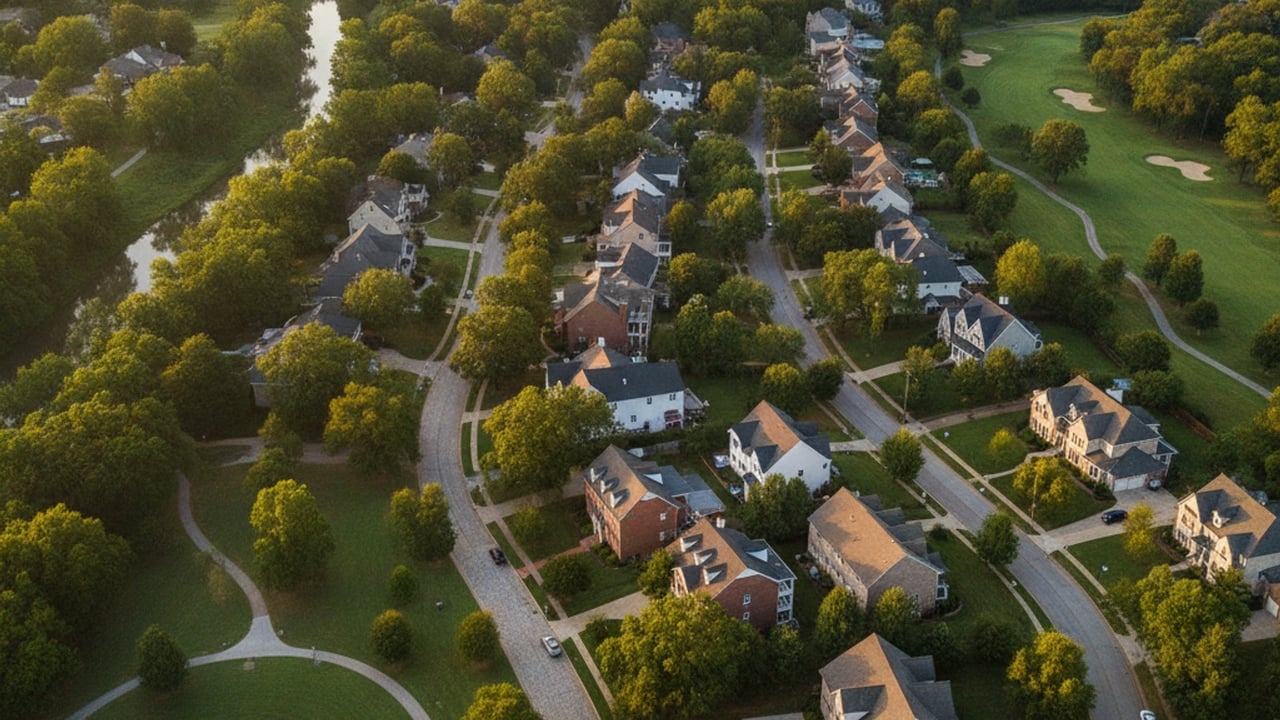
Walking the self-guided historic trails is free and gives you a real look at the local architecture. The city also maintains miles of paved greenways that follow the local waterways - room to walk, run, or ride a bike away from traffic.
The Saturday farmers market is another easy one. You might buy something - local produce, a piece of handmade craft - but walking through the vendor stalls and catching the live music costs you nothing.
For a break from the standard historical circuit, the antique malls just outside the downtown core are worth the detour. These are large warehouse spaces with booths from dozens of independent sellers - vintage records, mid-century furniture, the kind of inventory that takes a couple of hours to properly cover.
There are also small art galleries tucked into the second stories of downtown buildings. They feature work from regional artists and hold regular open-house events when new pieces go up.
With roughly 566 homes in active inventory, the city draws a wide mix - single professionals, large families, people at every stage. The entertainment options reflect that range, which is useful when you're trying to plan for a specific group.
Knowing which zones serve which interests saves time. There's a difference between what you'd do with a seven-year-old on a Tuesday and what you'd plan for a date night on a Friday.
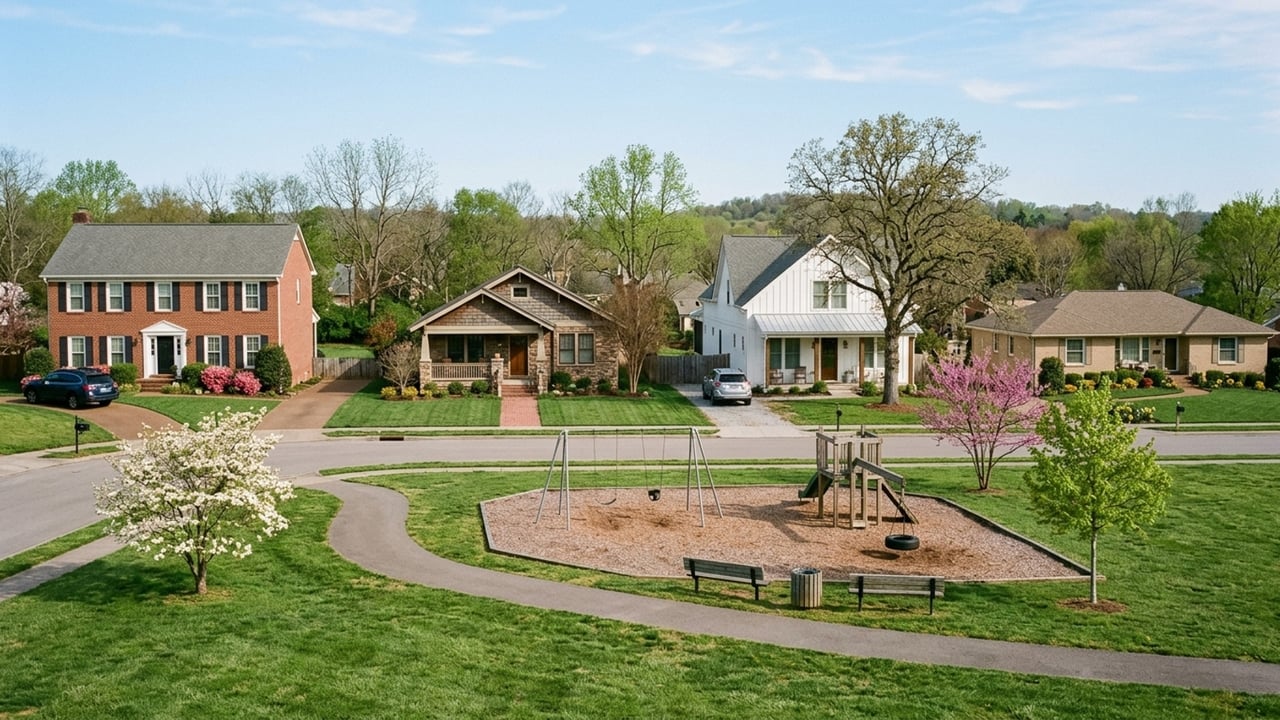
The local parks have extensive playgrounds, open fields, and splash pads during summer. Several large outdoor spaces feature wooden play structures with easy greenway access.
On rainy days, indoor entertainment centers offer trampoline parks, arcade games, and climbing walls. Downtown pottery studios also run drop-in painting sessions that work well for younger visitors.
After dark, the downtown area shifts into an evening destination with real staying power. Live music runs throughout the week - acoustic sets in small bars, larger performances at local theaters.
For a quieter night, several fine dining restaurants operate out of historic properties along the downtown streets. Dinner followed by a walk around the town square is a simple combination that holds up.
Balancing time between historical sites and modern amenities takes a little planning - but it's not complicated once you have a rough structure. Recent market data shows 488 homes sold in a single period, which means there's a steady stream of new residents figuring out the same thing. A loose itinerary goes a long way.
The city's location within the Nashville-Davidson–Murfreesboro–Franklin Metropolitan Statistical Area also makes it a useful base for broader exploration. Once you've covered the immediate local sights, neighboring communities are easy to reach.
Start with coffee and a pastry from a downtown bakery, then walk over to the Carter House for a morning historical tour. Late morning opens up the commercial district - boutiques, antique shops, whatever catches your eye.
Lunch at a casual cafe near the town square, then drive out to the Carnton Plantation for the afternoon. Come back downtown for dinner at a local bistro and close out the night with live music nearby.
Driving north puts you in the center of Nashville in under thirty minutes, depending on traffic. That opens up professional sports, large-scale concert venues, and extensive museum districts.
Head south or west and you're into the rural portions of Williamson County - scenic driving routes, local farms, miles of uninterrupted road through protected natural spaces just outside the city limits. Worth an afternoon if you want a change of pace.
Beyond its reputation as a Nashville suburb, the city stands out for its well-preserved 19th-century architecture and deep Civil War roots. History enthusiasts frequently visit the Carter House, which still displays hundreds of bullet holes from the 1864 battle.
History tours and downtown shopping anchor most trips to the area. You can spend a morning examining the grounds at Carnton Plantation before heading to the 16-block commercial district for independent retail and local dining.
A balanced schedule mixes the major historical landmarks with the active commercial center. Dedicate your morning to the battlefield sites, then park in one of the free downtown garages to explore the boutiques and restaurants on foot until evening.
Check the schedule for the local theaters or small bars, which frequently host live acoustic sets throughout the week. If you arrive on a Saturday, the downtown farmers market offers a reliable rotation of local produce, handmade crafts, and live music.
The fall and spring months offer the most comfortable temperatures for walking the outdoor historical sites and downtown streets. Many local festivals also take place during these milder seasons.
The city's public parks and greenways provide miles of paved paths along the waterways without any admission fee. You can also time your visit for a Saturday to walk through the farmers market, where the vendor stalls and live music cost nothing to enjoy.
Families frequently utilize the city's outdoor splash pads and wooden play structures during the summer months. When the weather turns poor, the downtown pottery studios and local trampoline parks offer reliable indoor alternatives.
Both cities sit just south of the Nashville metro area and share a location within Williamson County. Buyers evaluating neighborhoods often review the differences between Franklin and Brentwood to see which community fits their routine. The right choice usually depends on how much you value having a walkable, historic downtown district nearby.
Tennessee real estate tips and insights.
Real Estate
Bill Diebenow | October 6, 2026
Real Estate
Bill Diebenow | October 6, 2026
Real Estate
Bill Diebenow | October 6, 2026
Real Estate
Bill Diebenow | October 6, 2026
Real Estate
Bill Diebenow | October 6, 2026
Real Estate
Bill Diebenow | October 6, 2026
Bill's real estate experience spans residential and commercial transactions as an agent, buyer, seller, investor, tenant, landlord, and cross-county corporate relocation. Bill looks forward to understanding your needs, building your trust, and helping you successfully sell your existing home, find your new home, or add to your real estate portfolio.
Bill Diebenow
3990 Hillsboro Pike Suite 320 Nashville TN 37215